The context
For a small cereal-growing business in Northern Italy, increasing production volumes made it necessary to rethink the entire drying process.
The higher quantities to be handled, combined with the company’s focus on final product quality, operator safety and environmental impact, marked the beginning of a new phase for the business, centred on a more advanced and controlled drying system.
One particularly important aspect was the intended use of the crop: the maize produced by the company is intended for human consumption. The drying process therefore had to be redesigned with product cleanliness and food safety at its core, ensuring a process free from contamination while also meeting the objective of doubling production capacity.
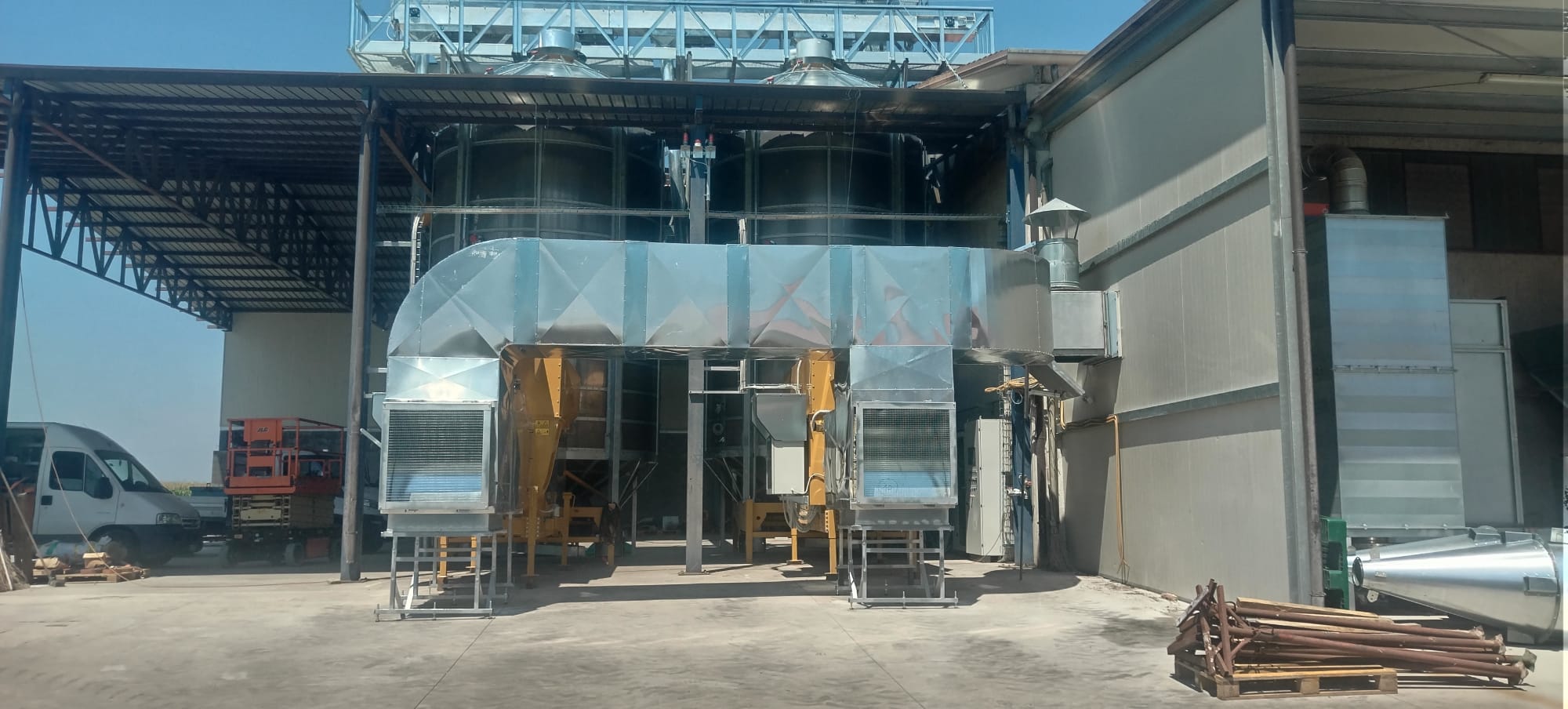
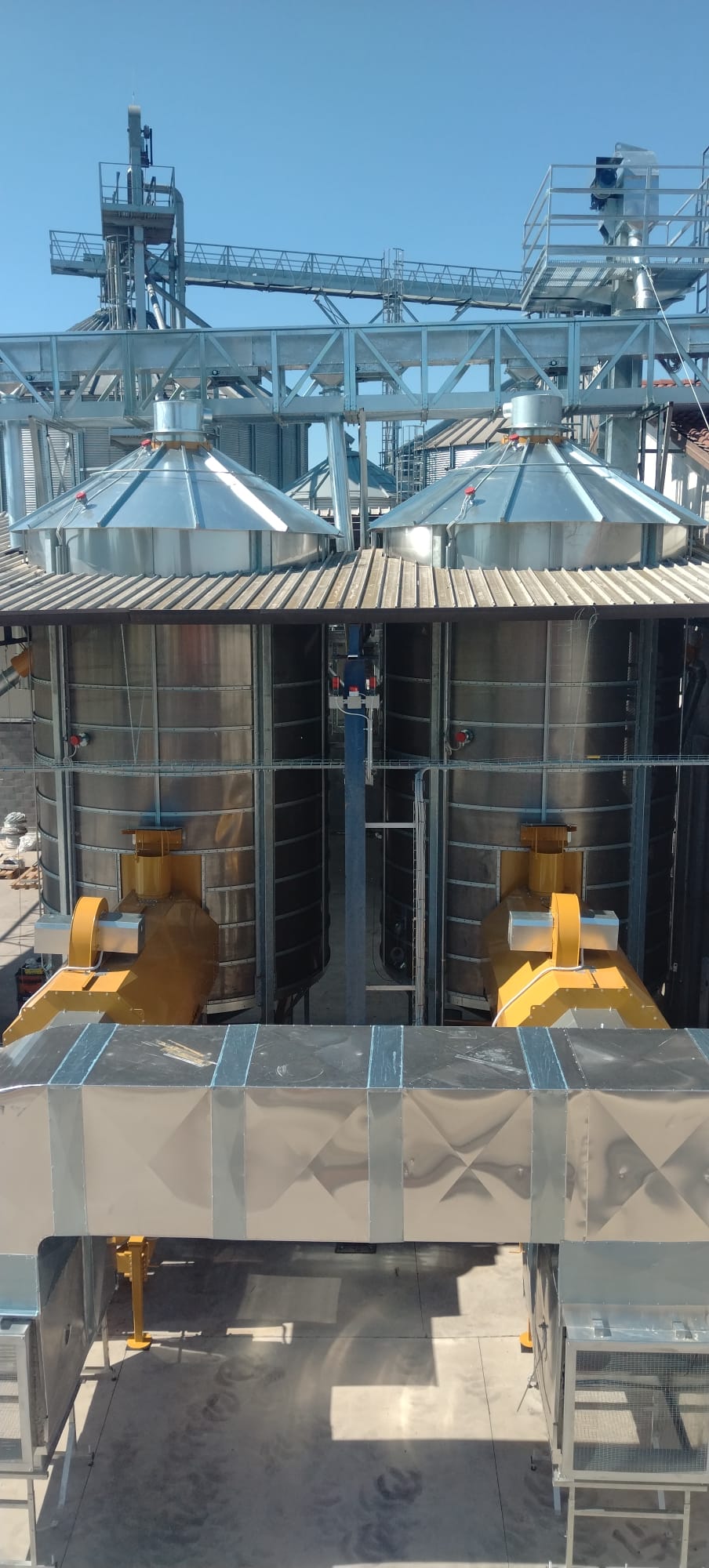
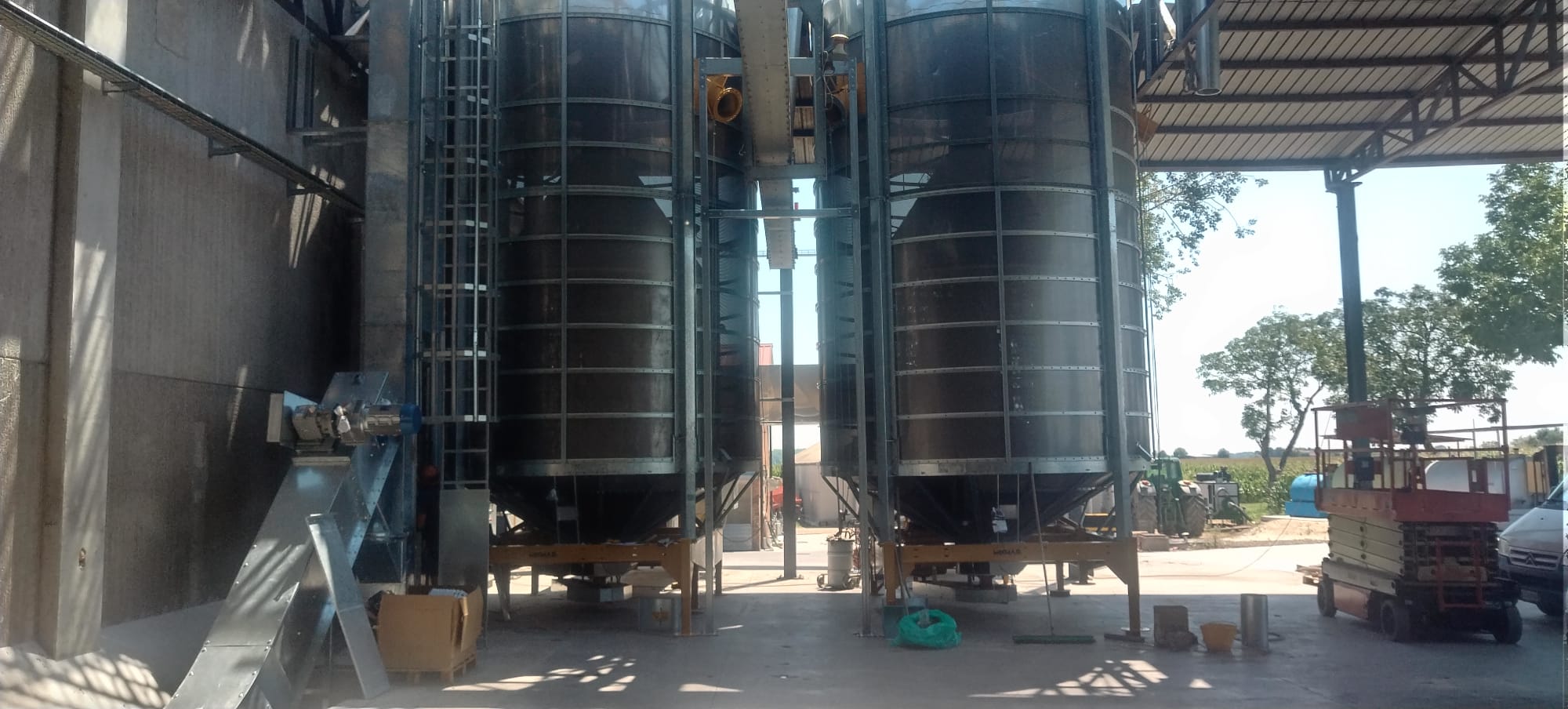
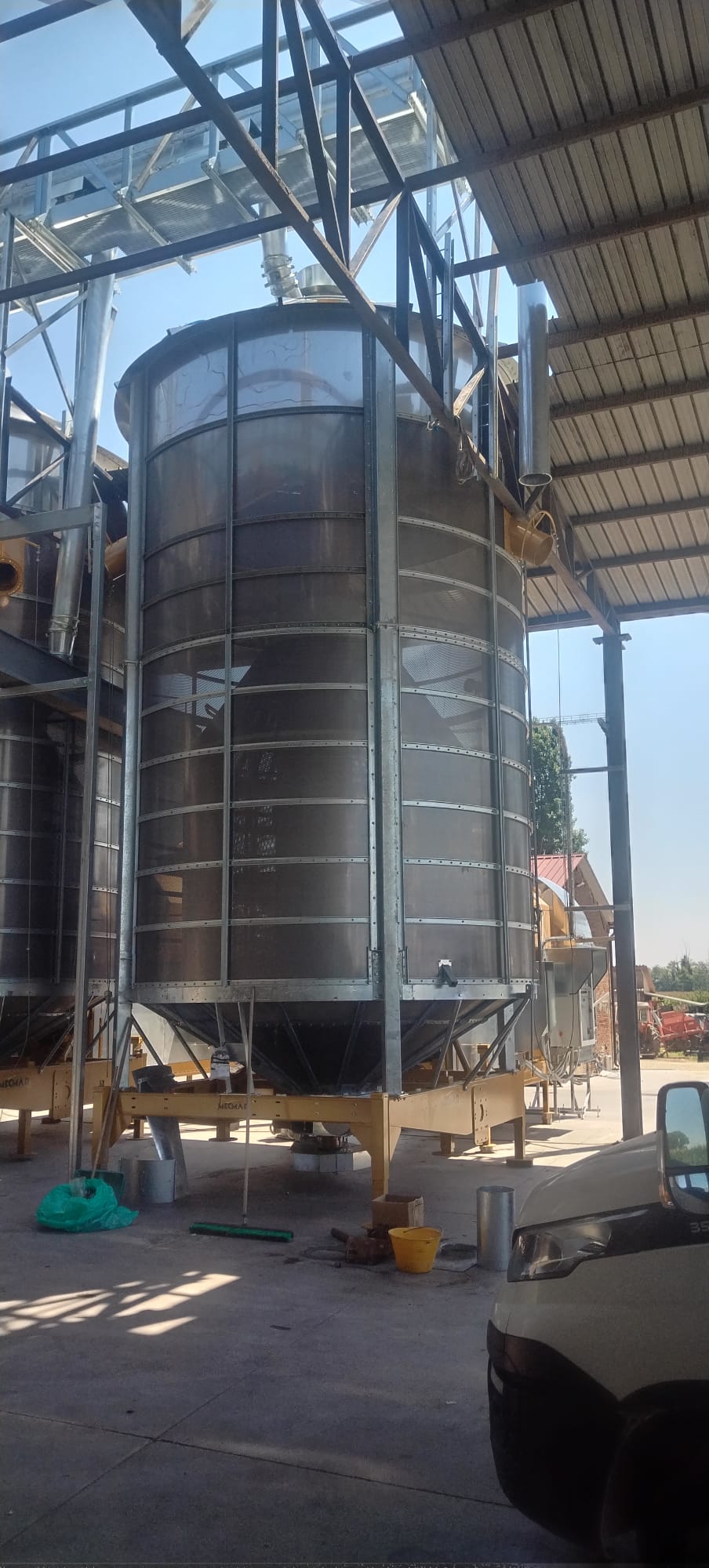
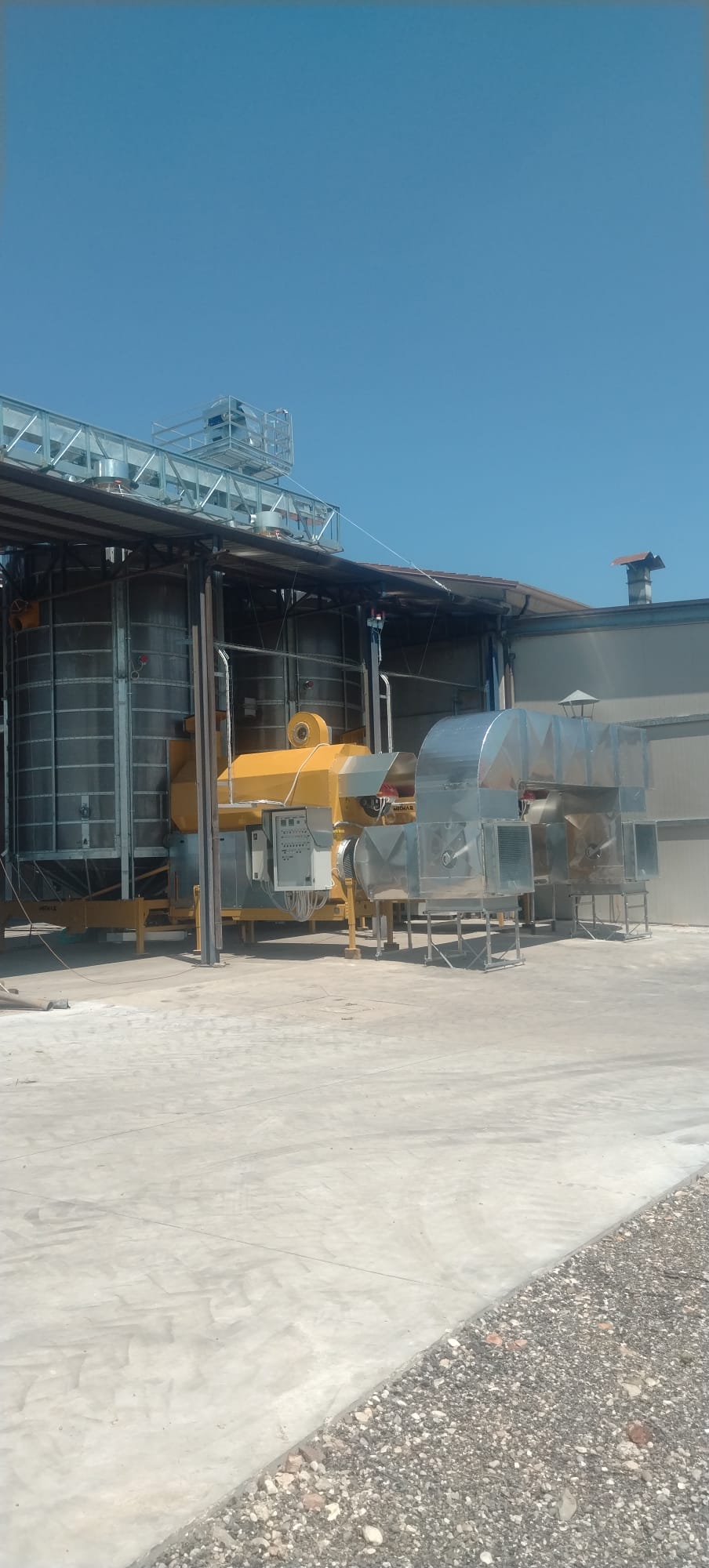
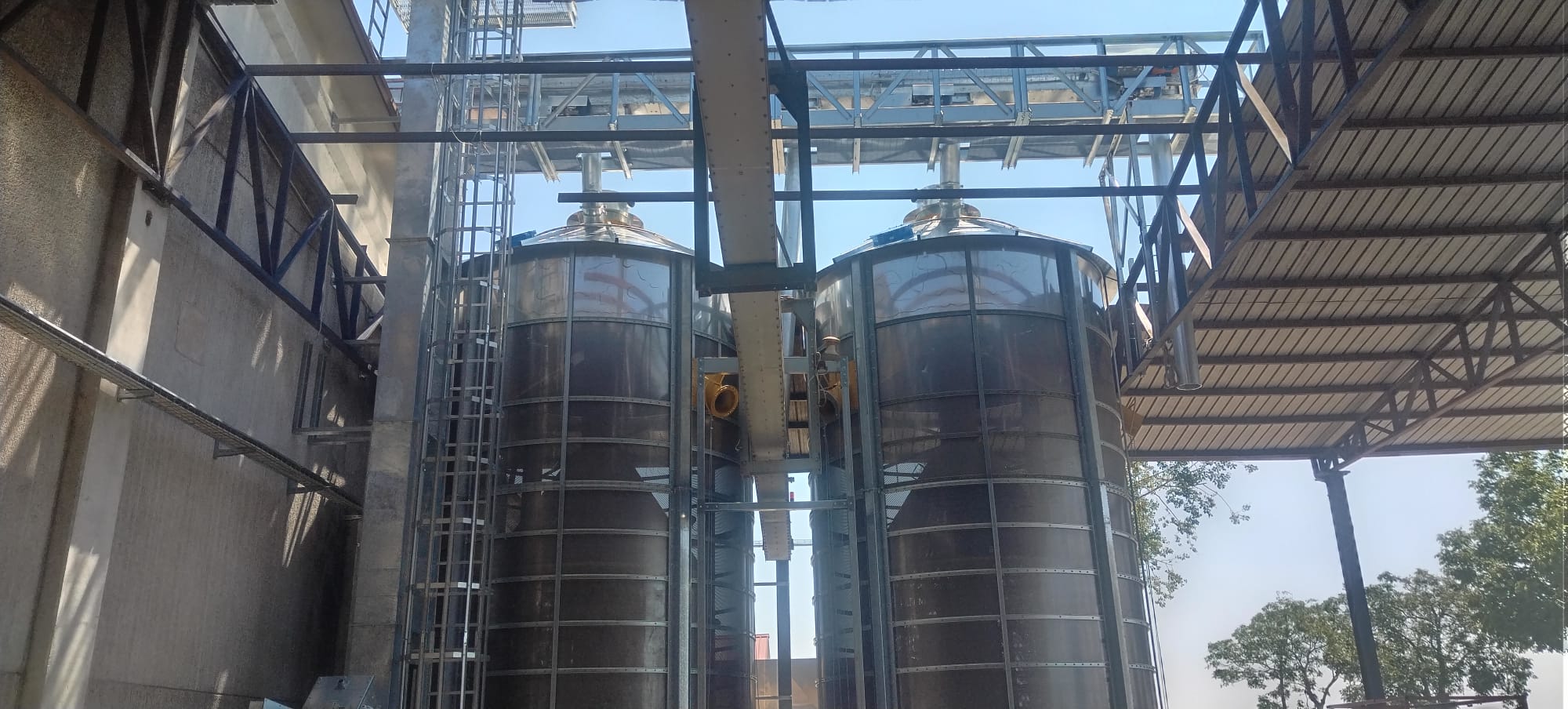
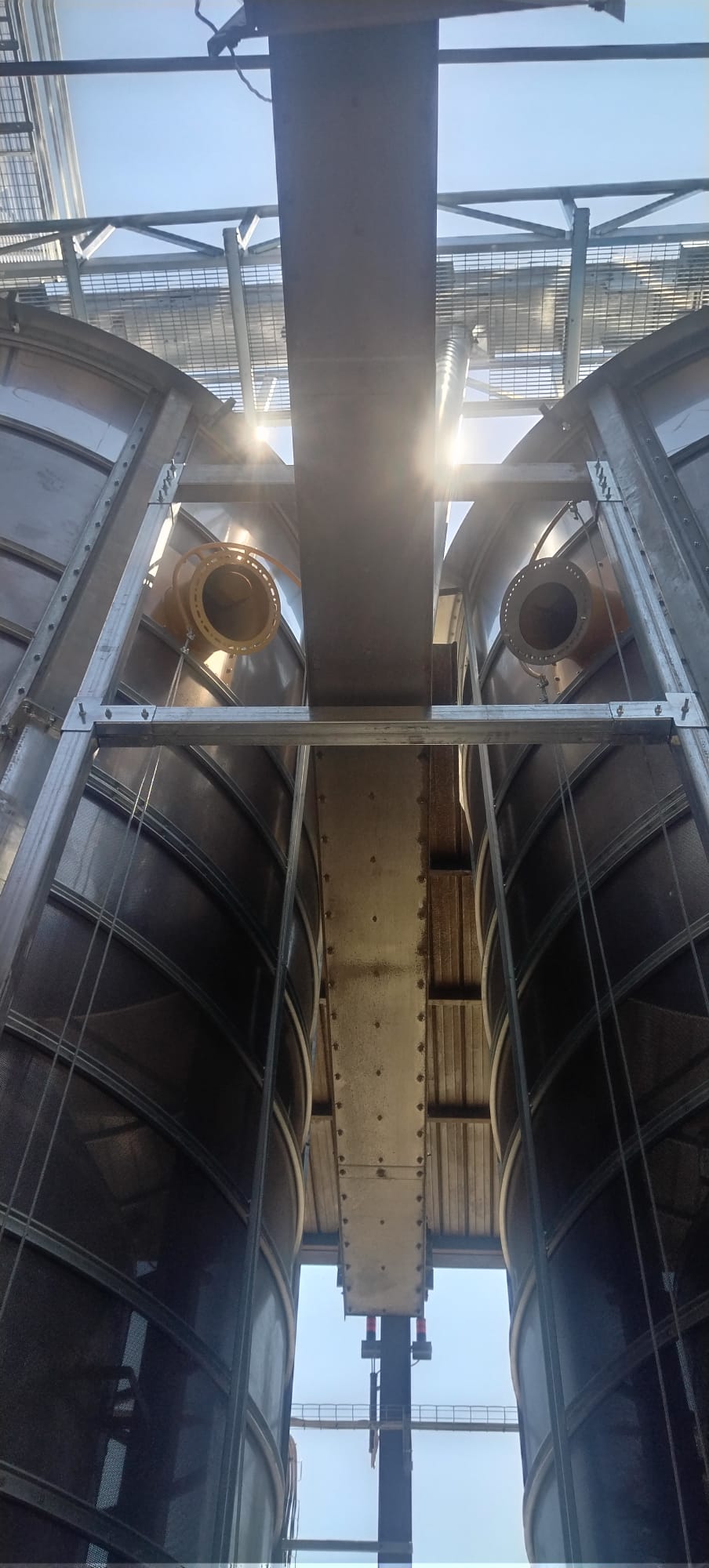
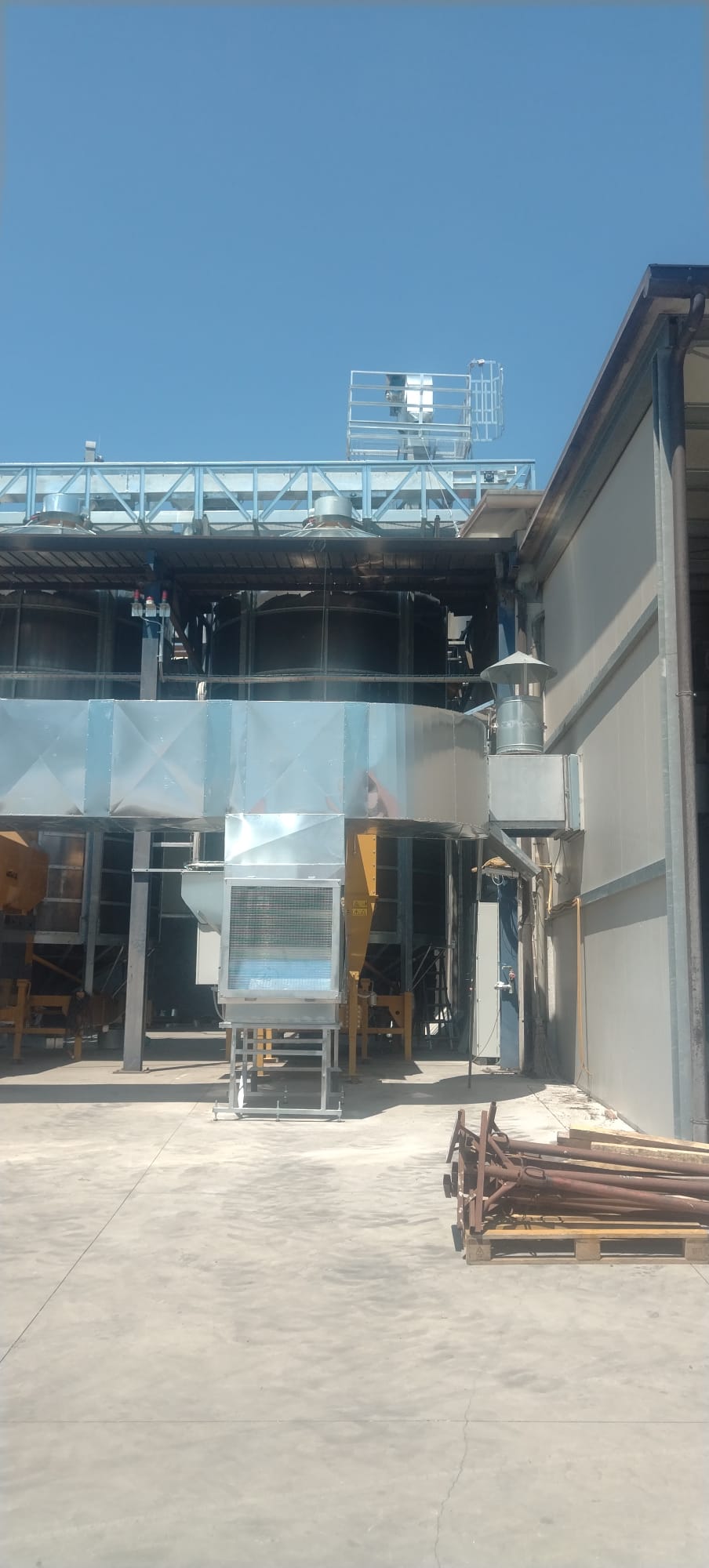
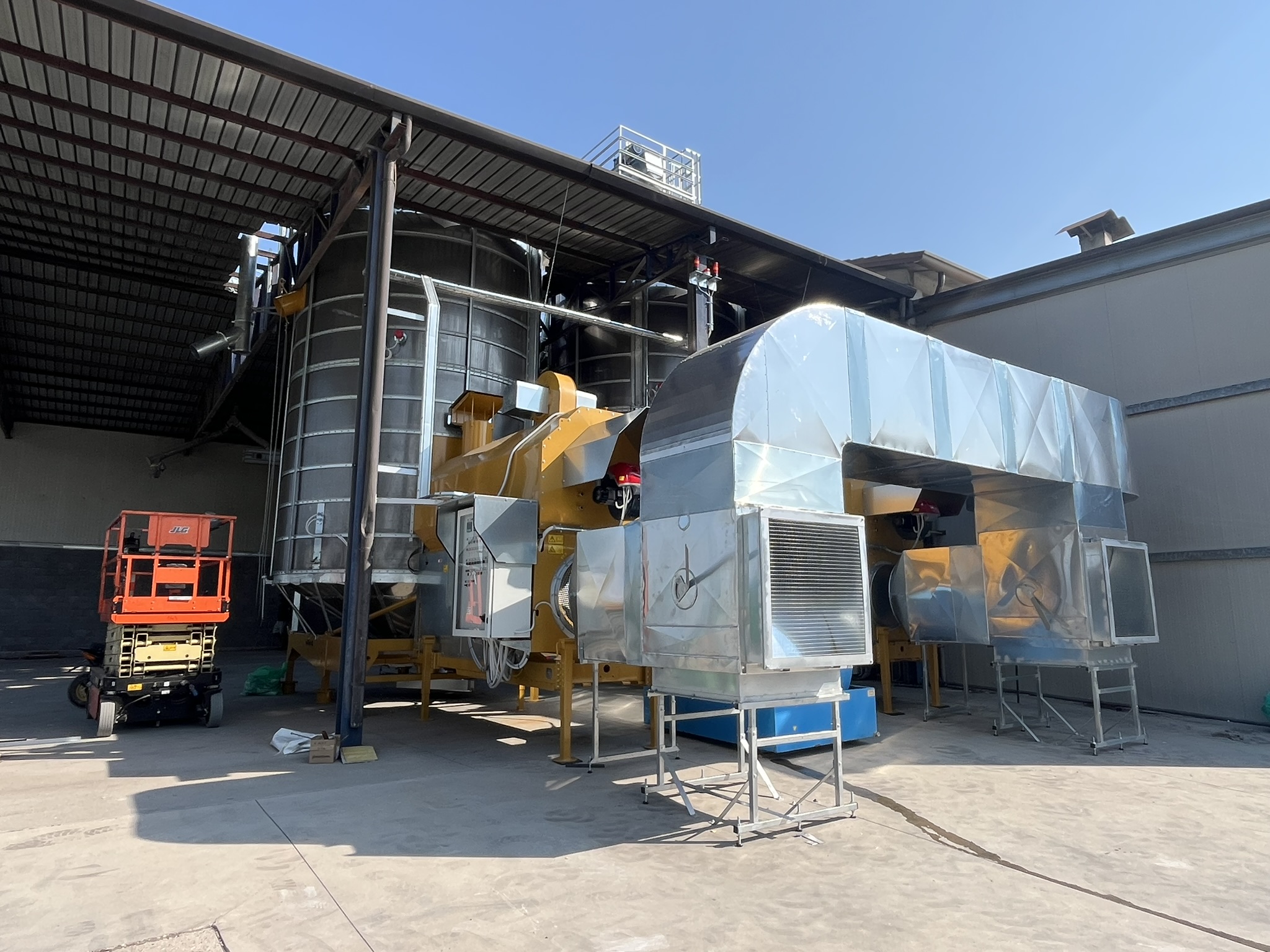
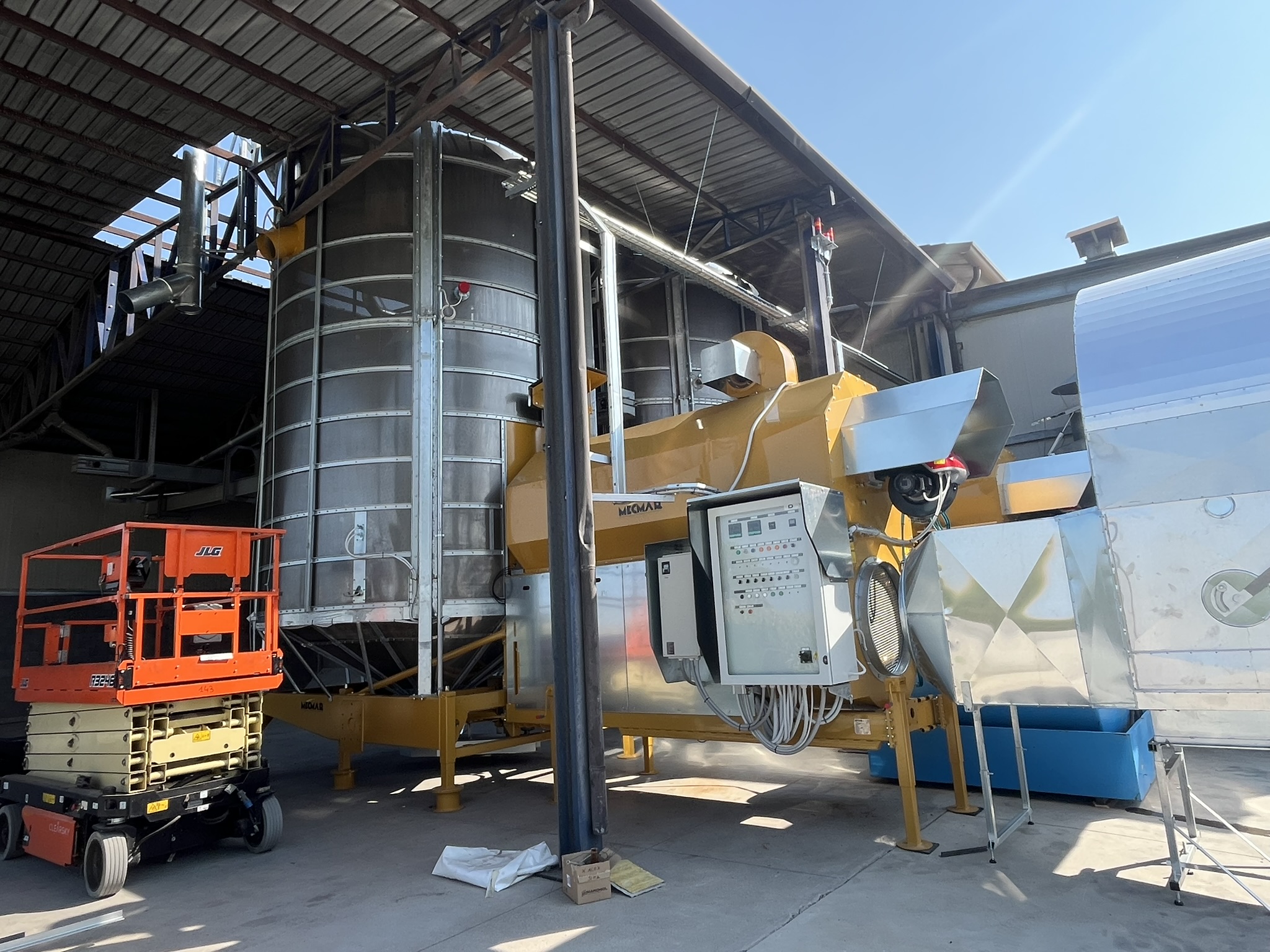
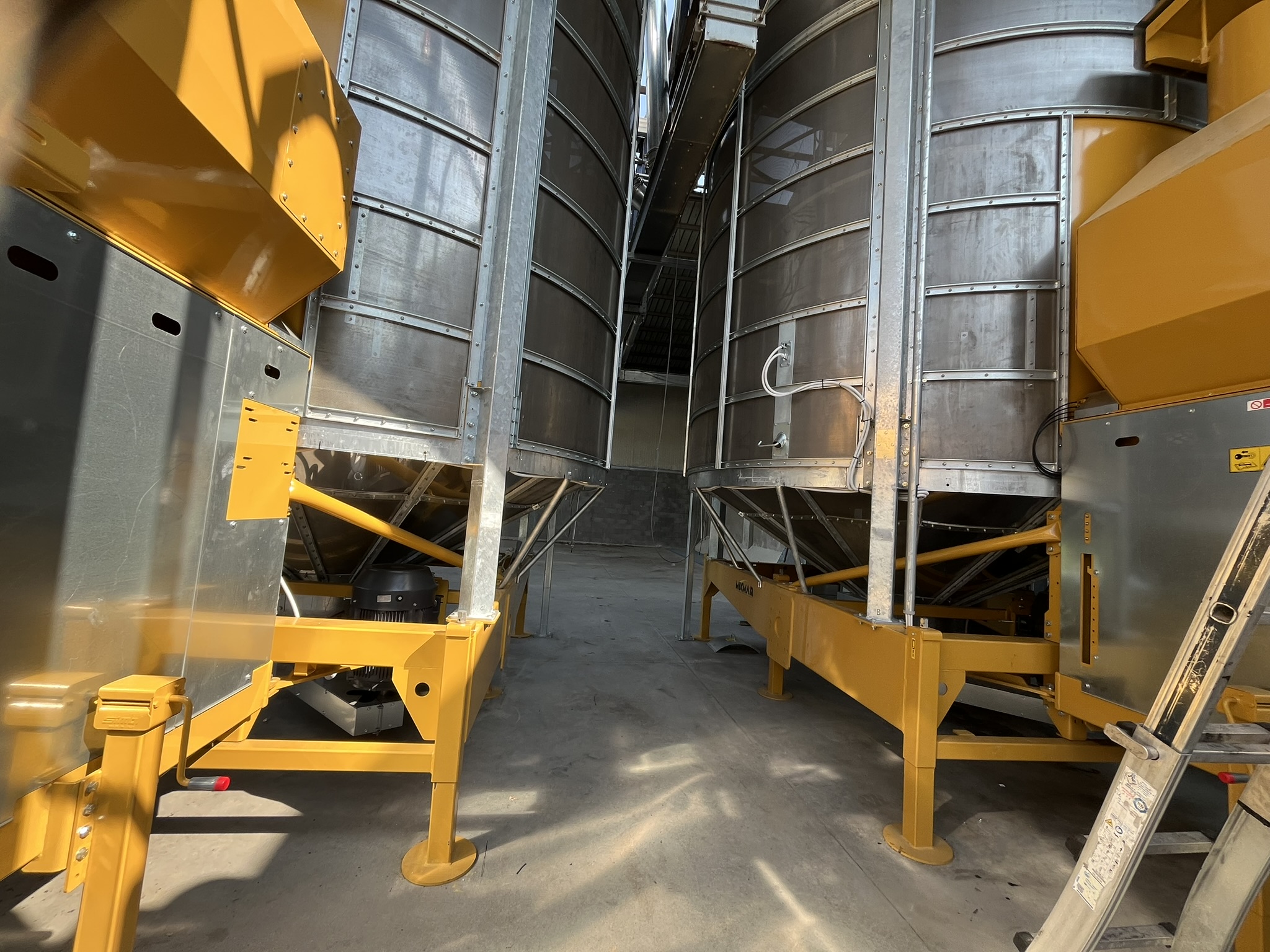
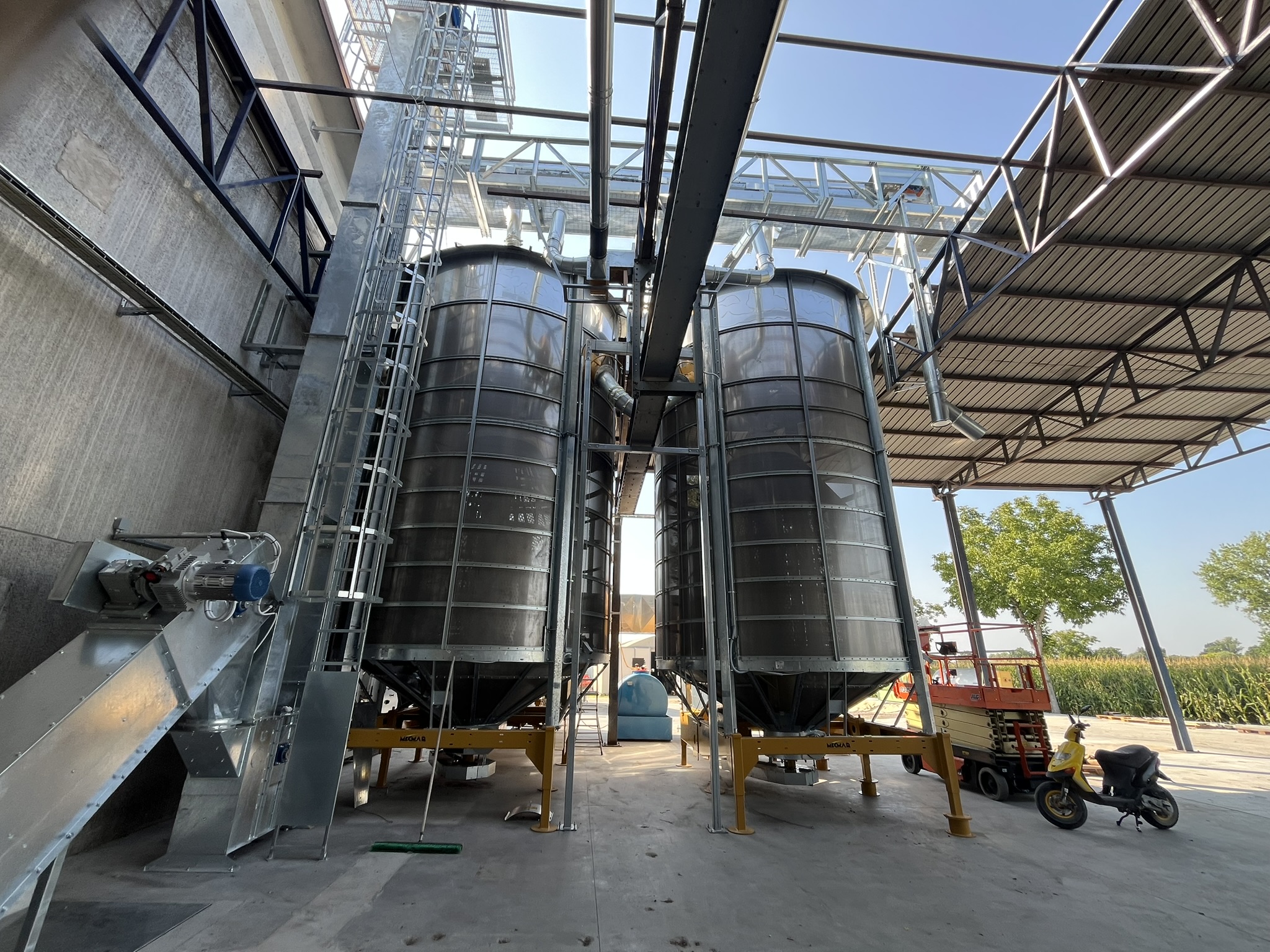
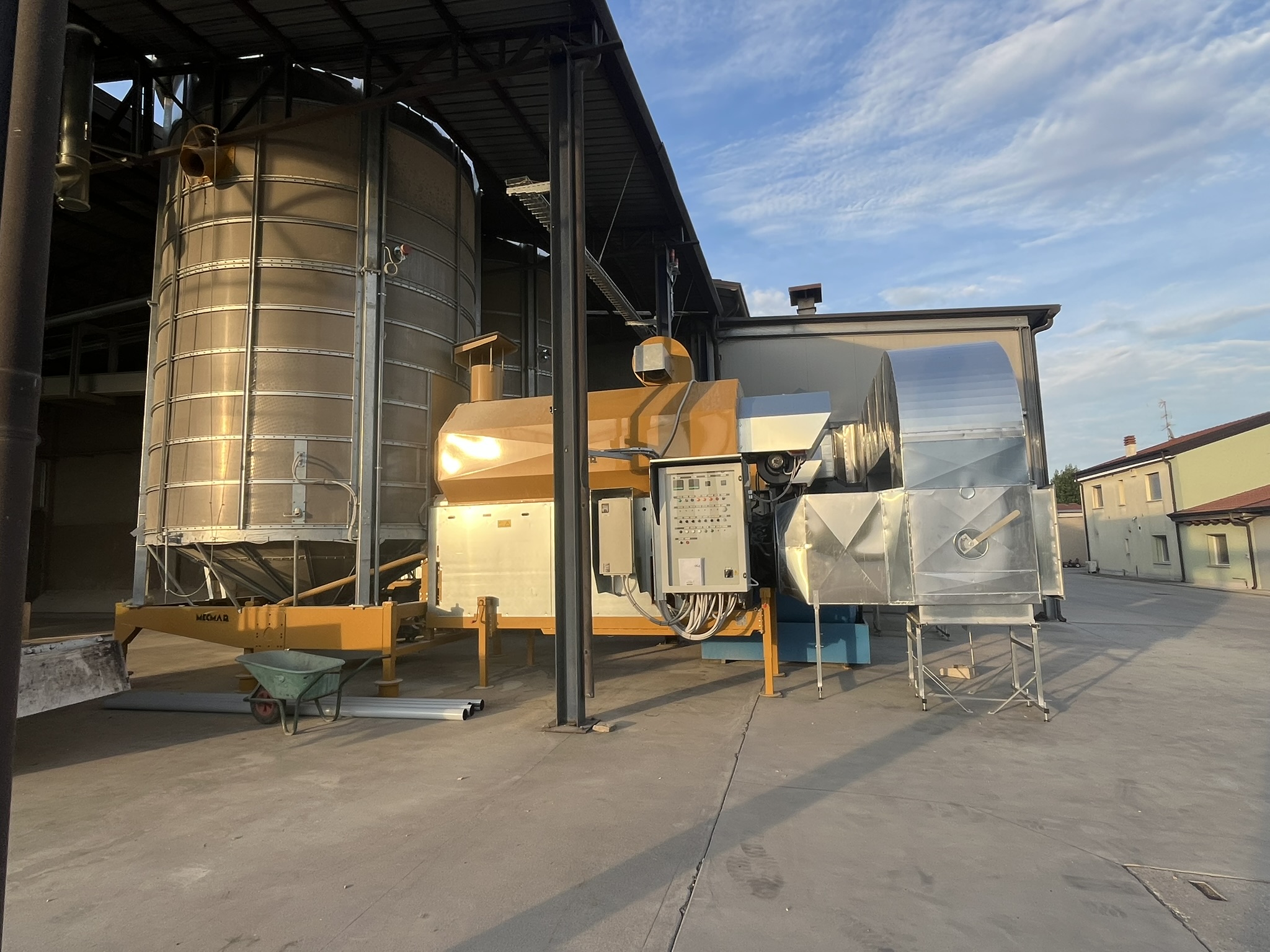
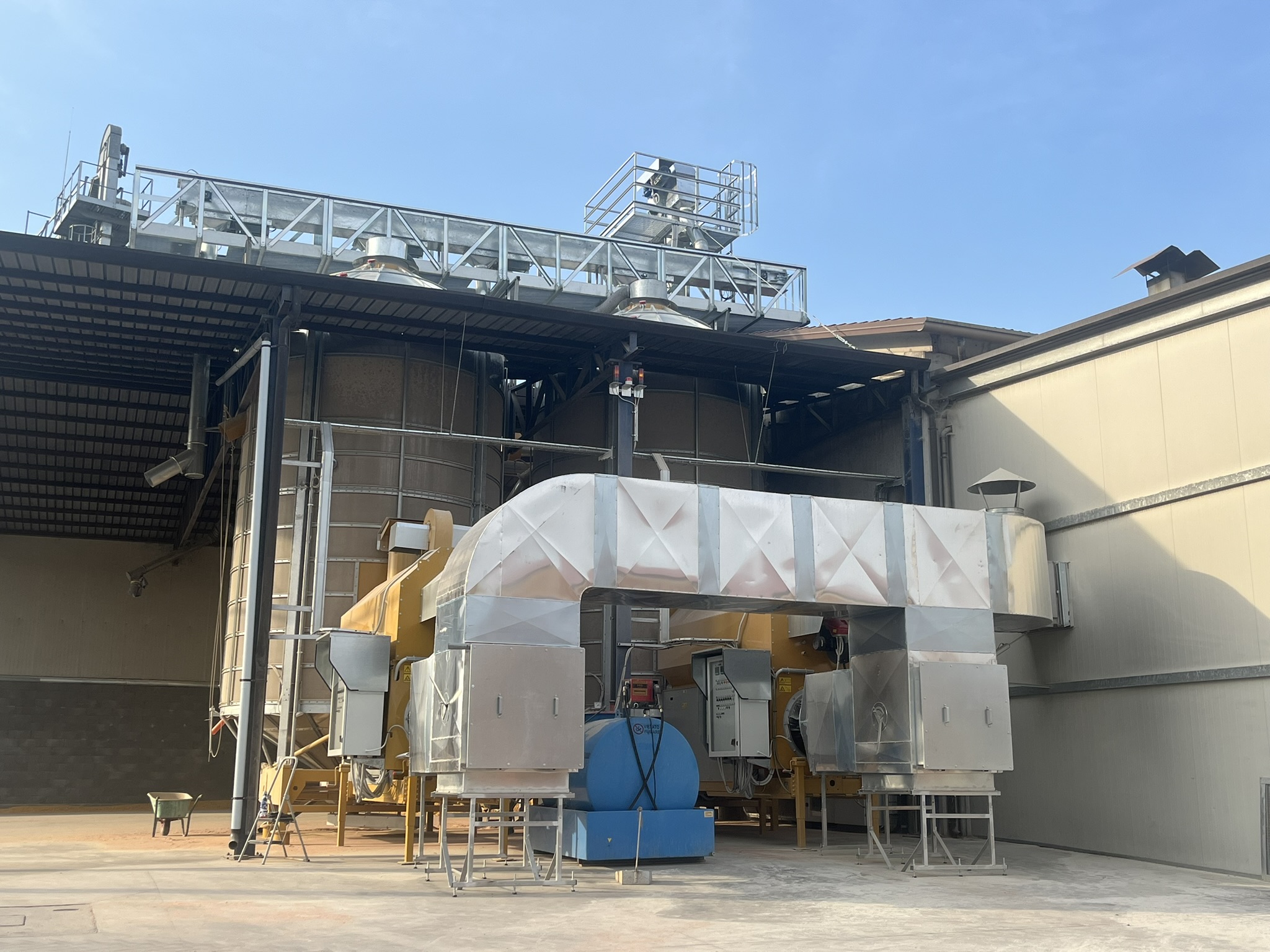
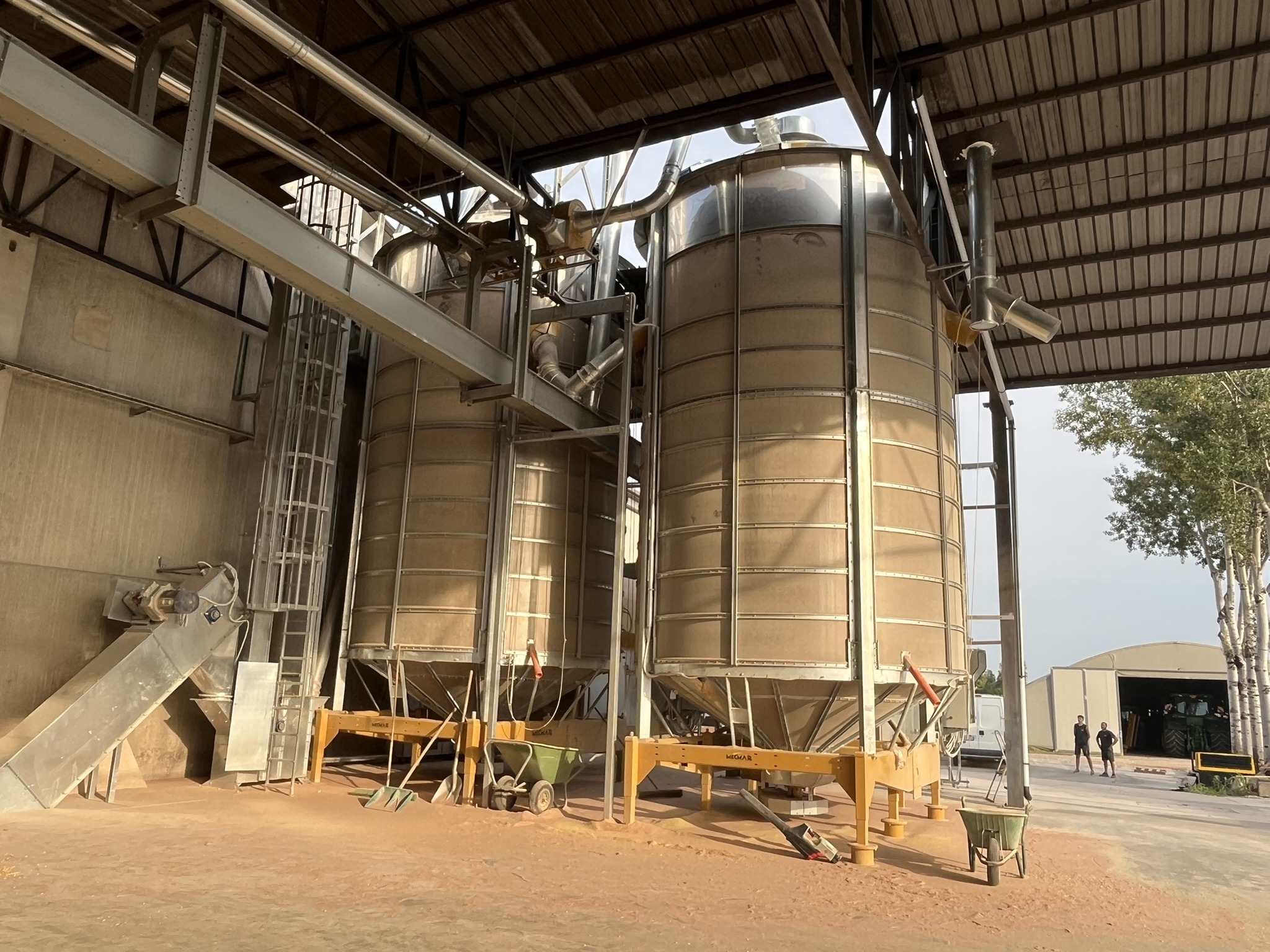
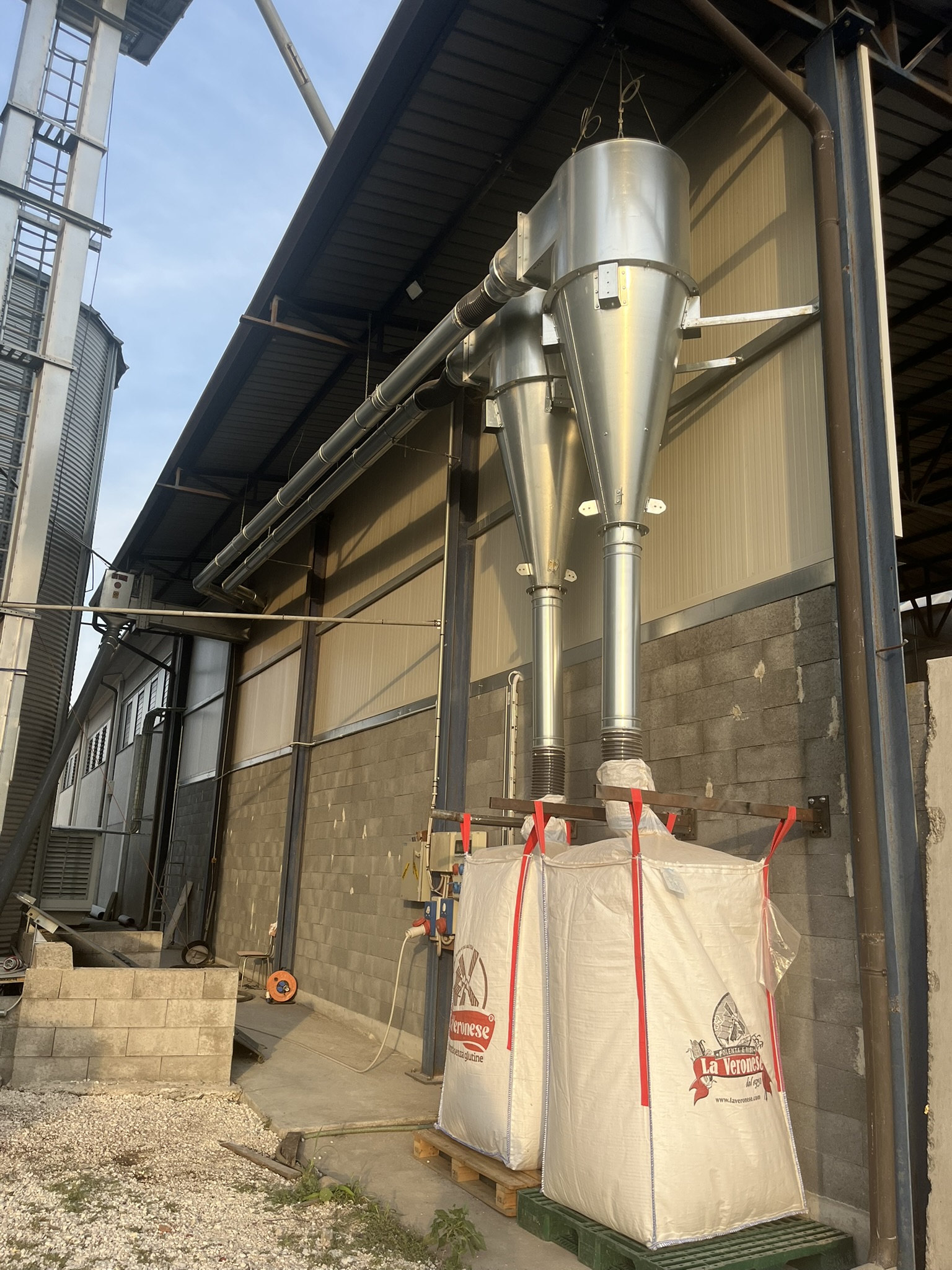
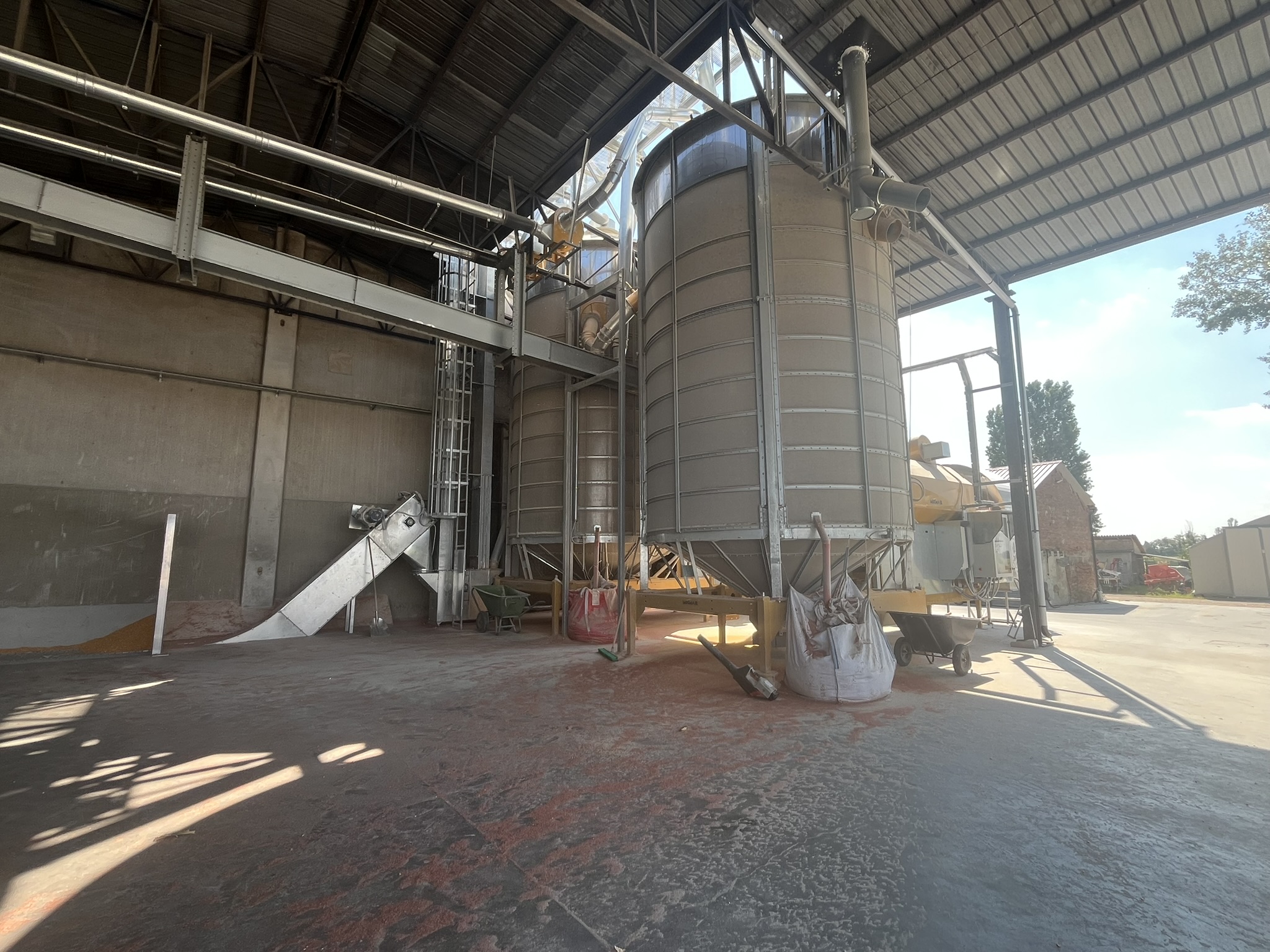
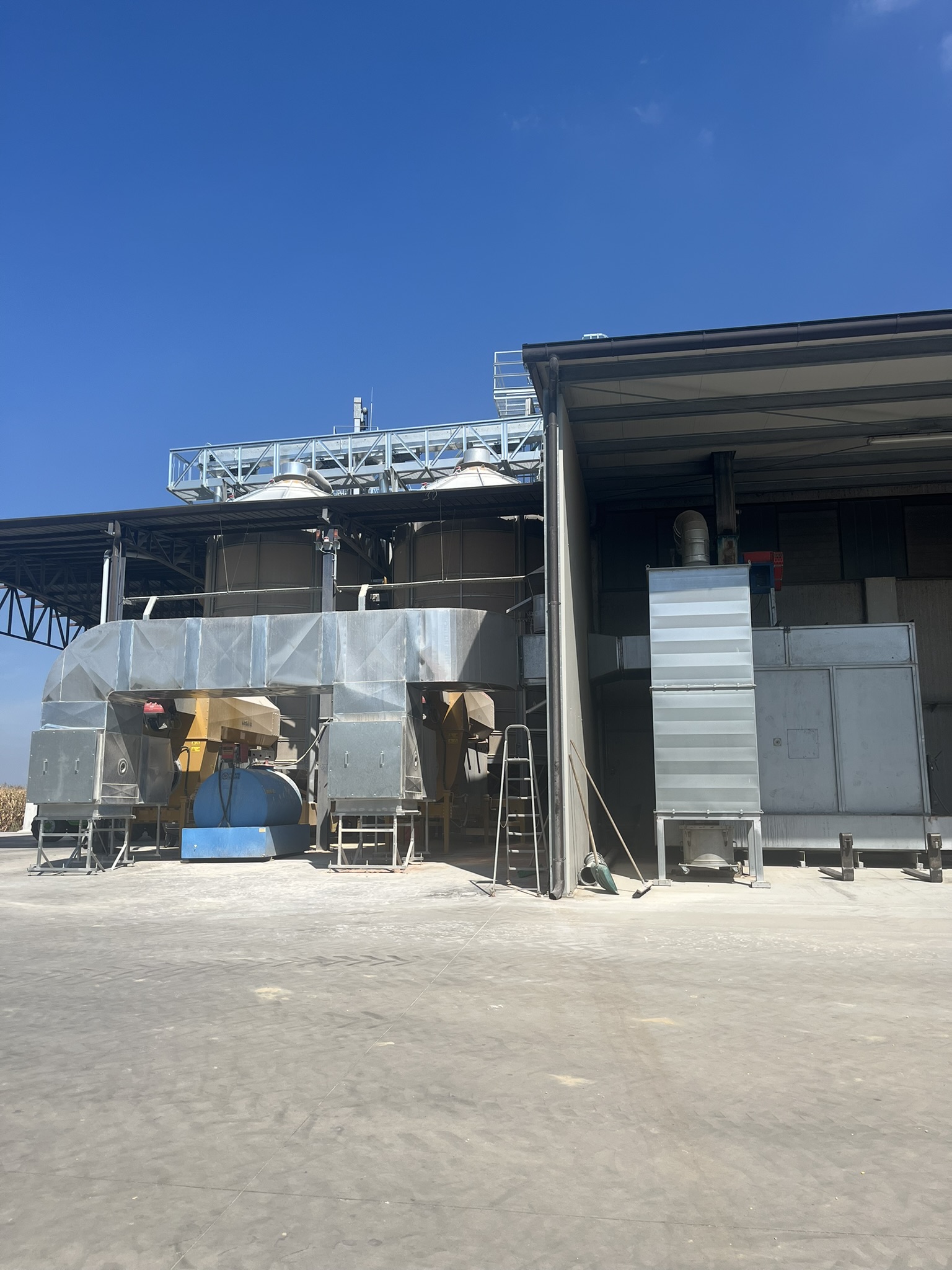
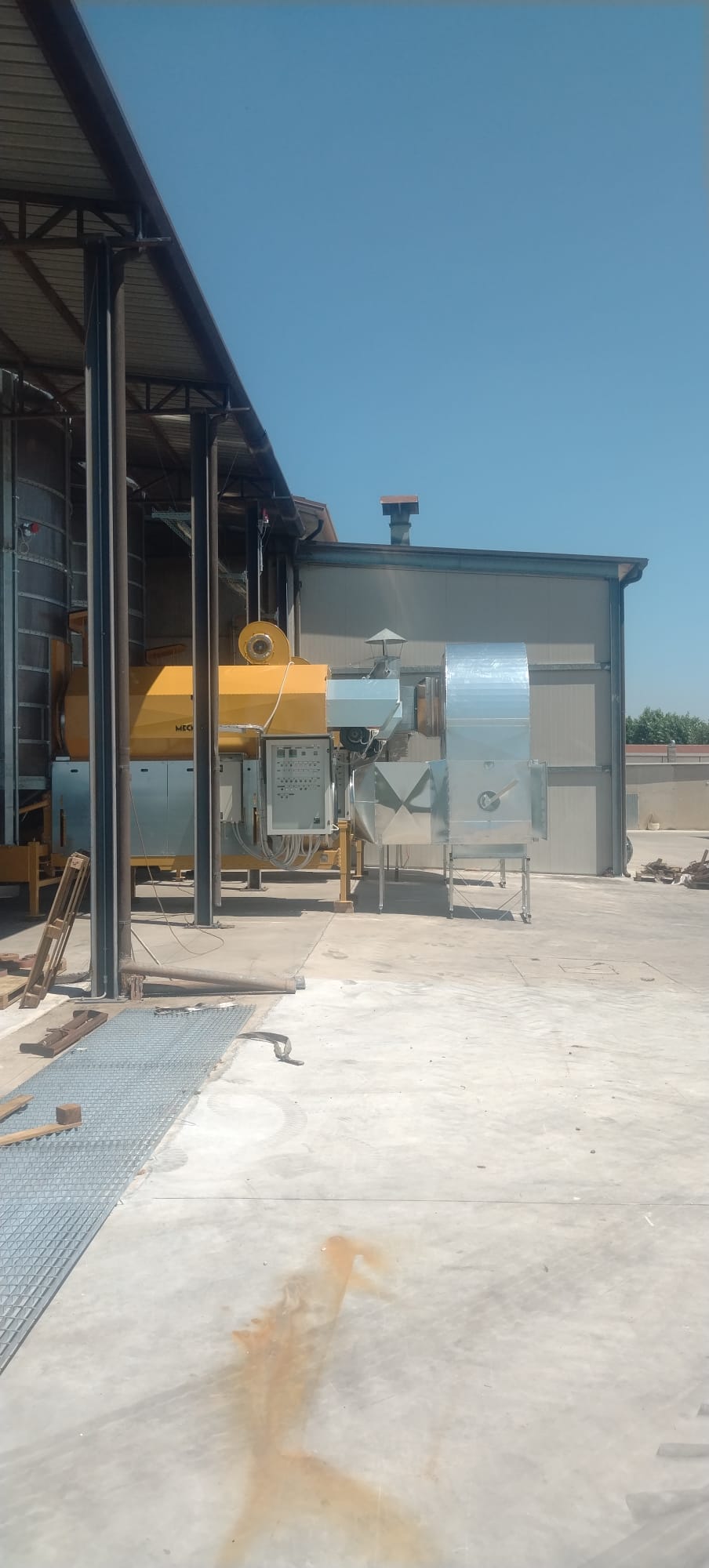
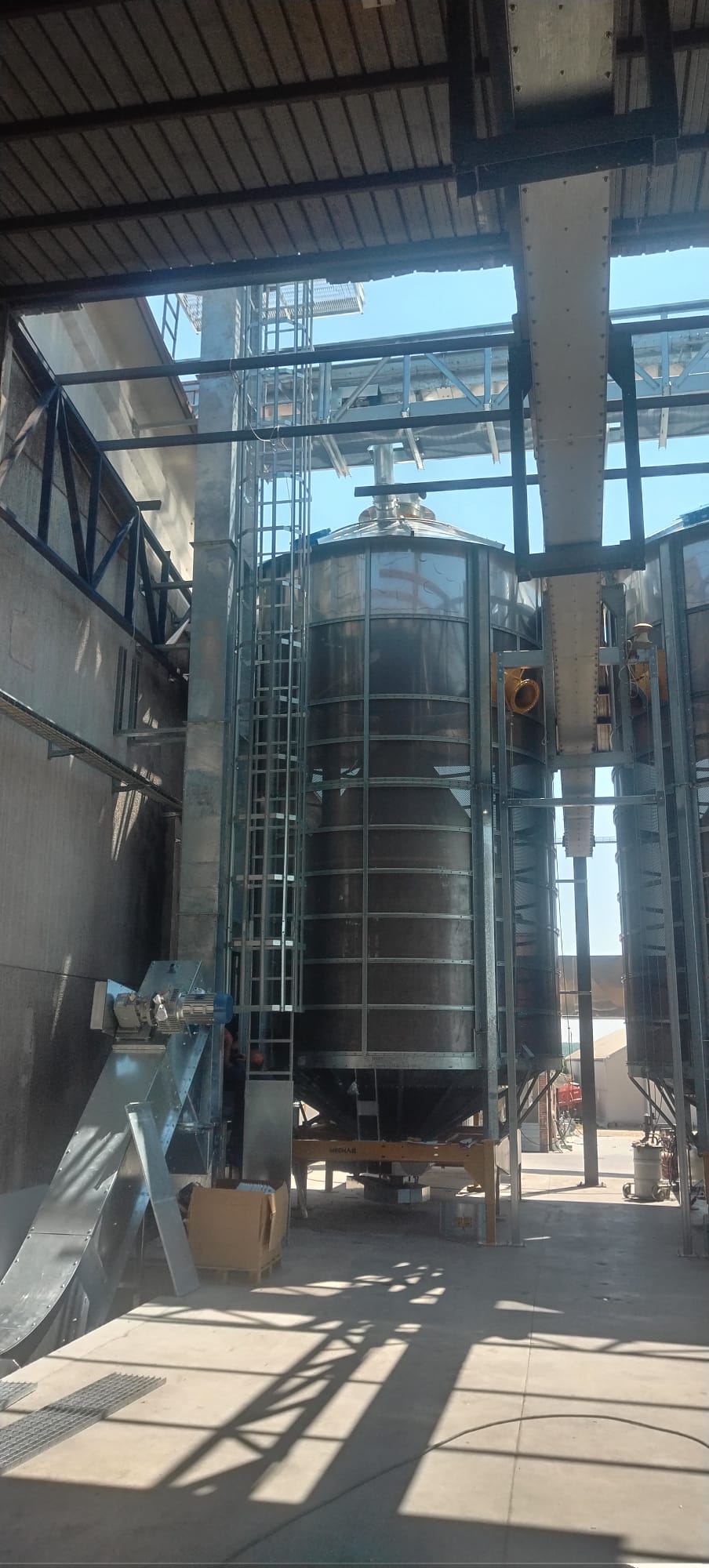
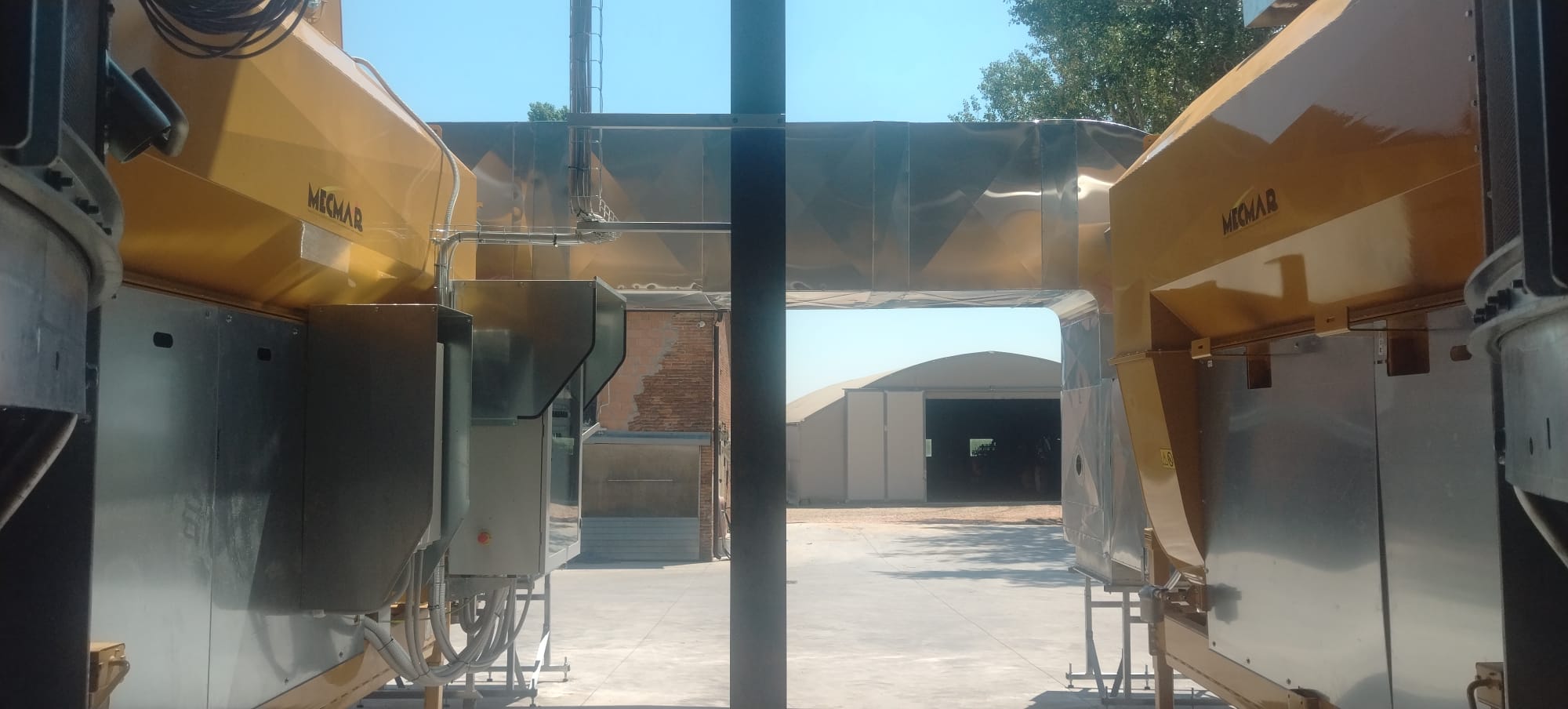
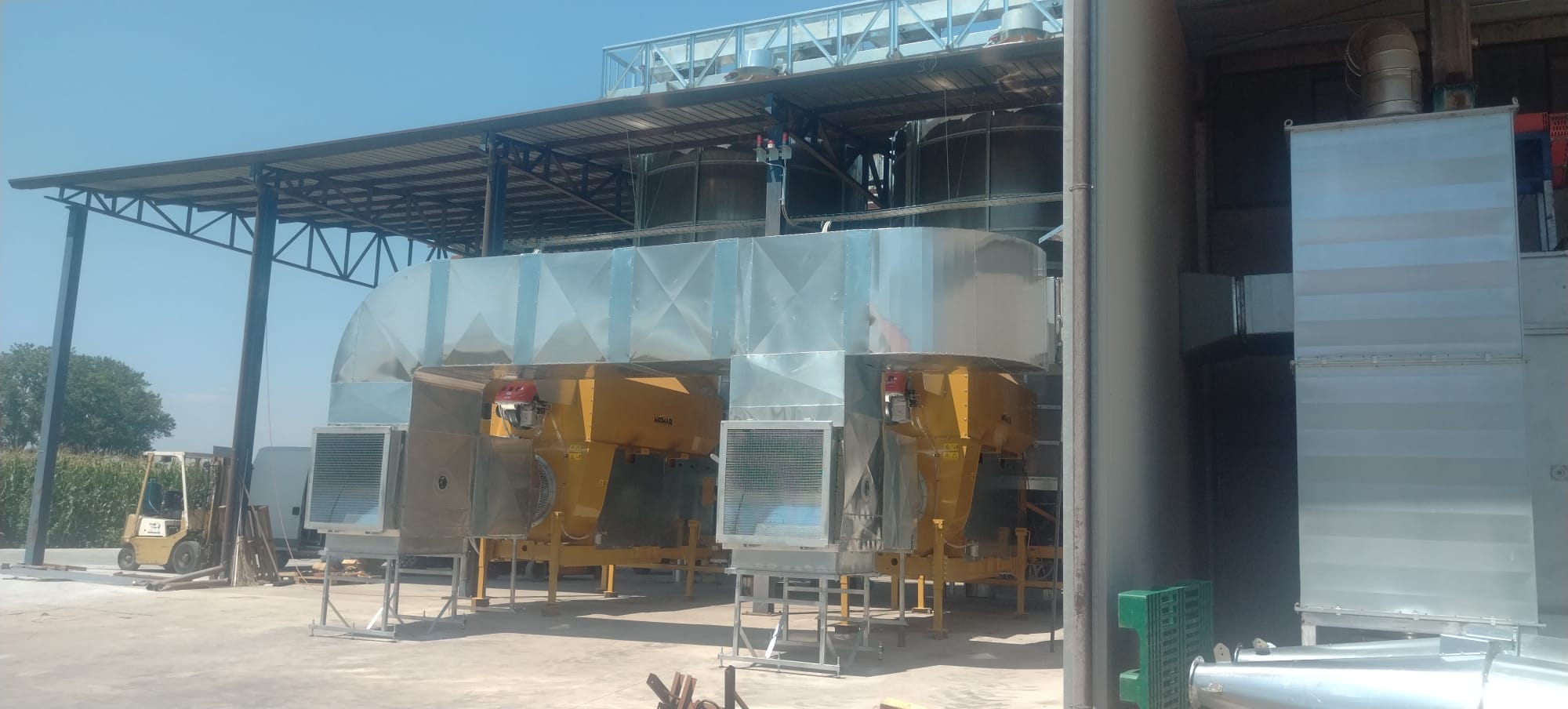
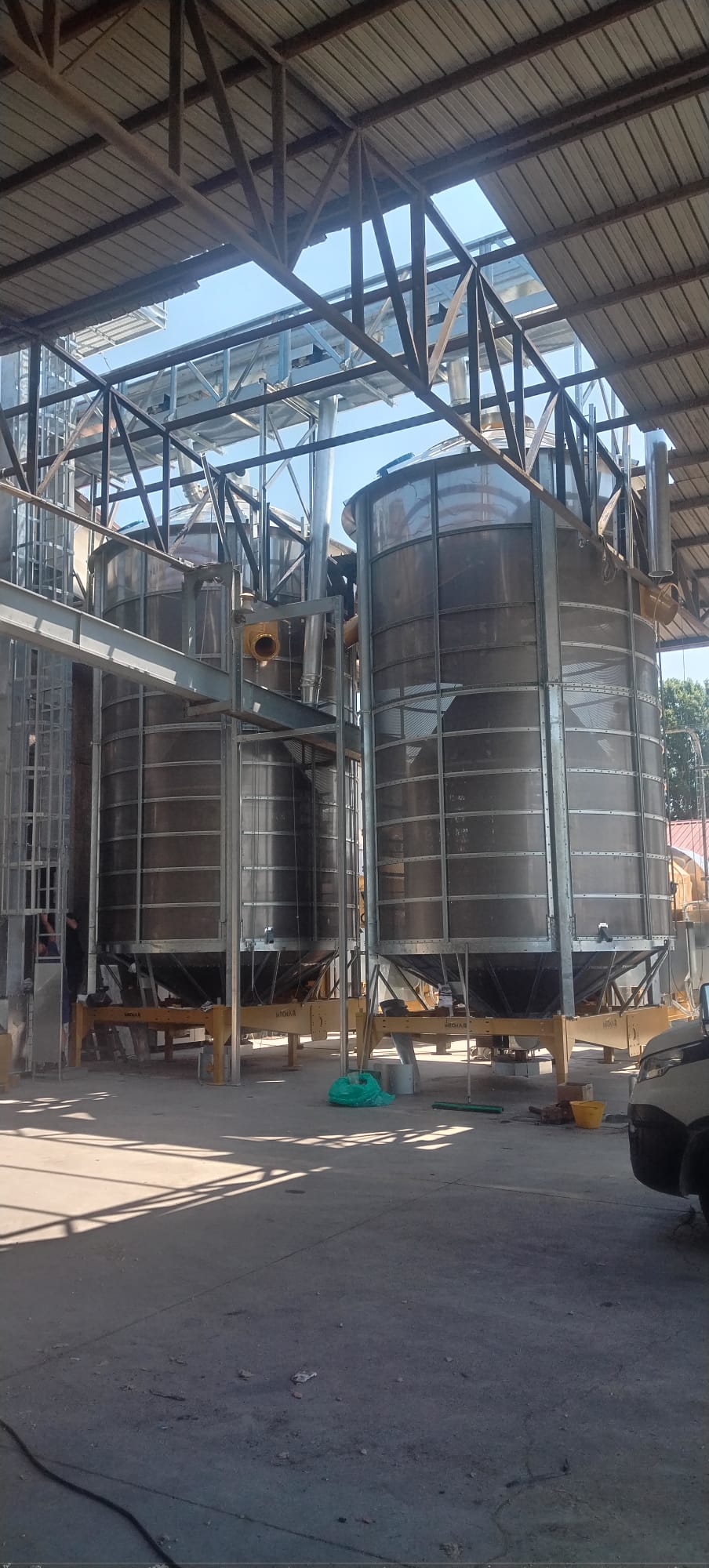
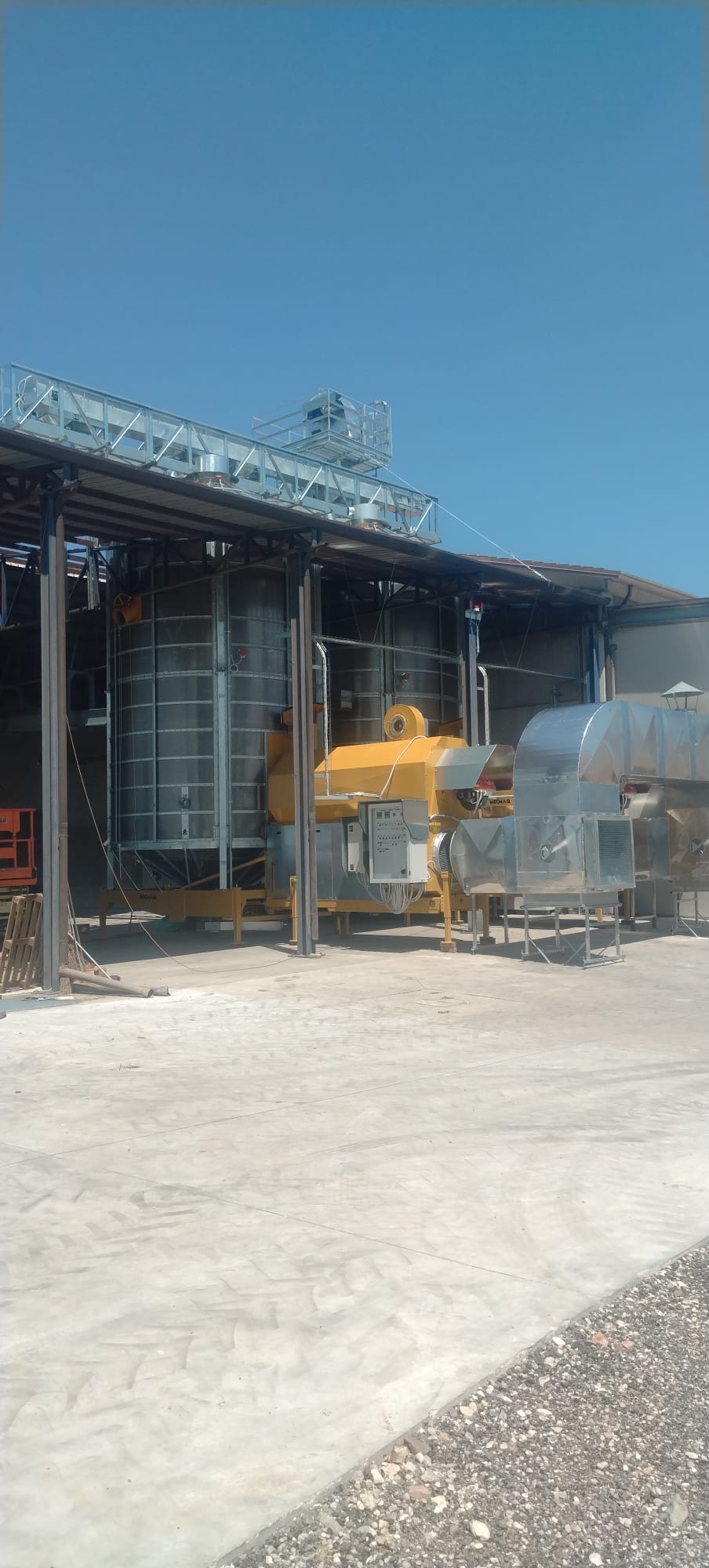
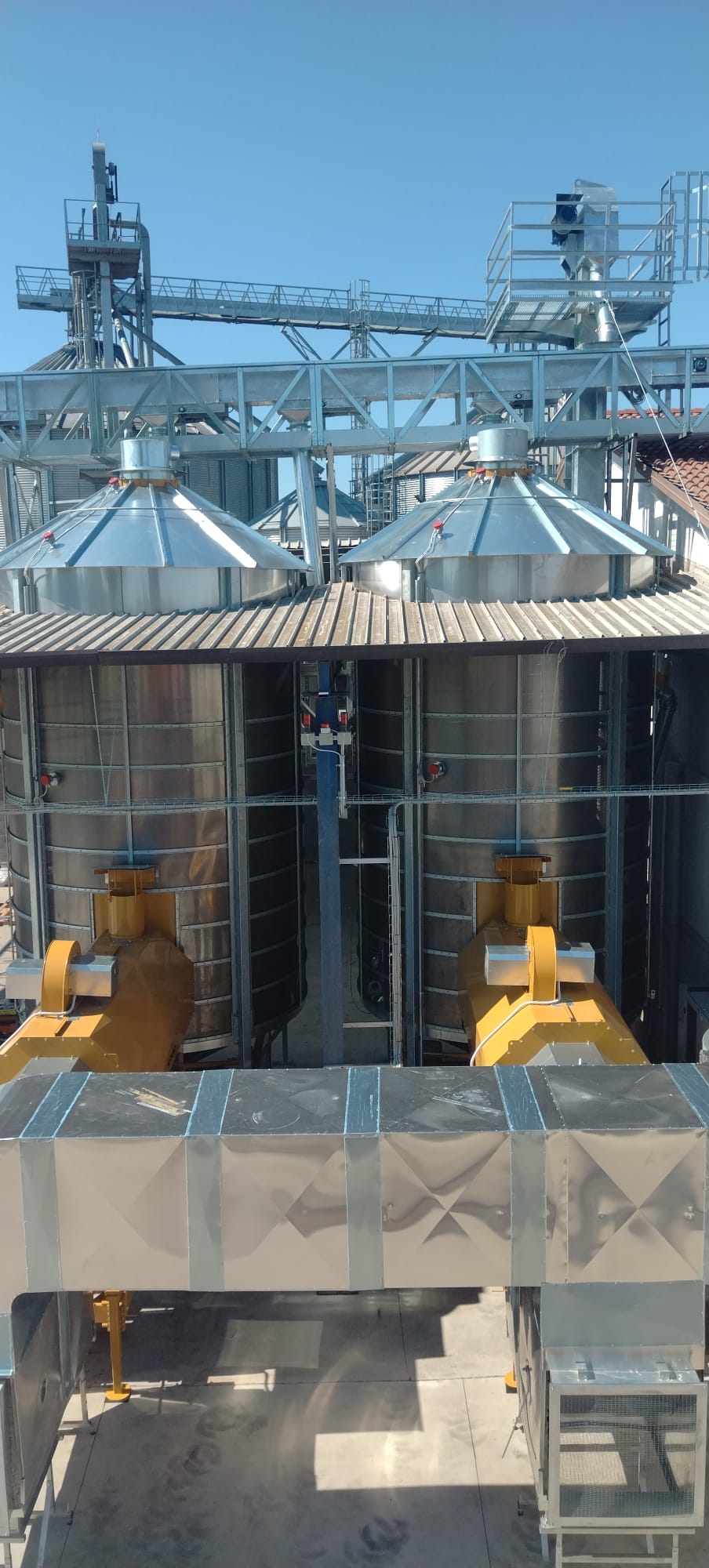
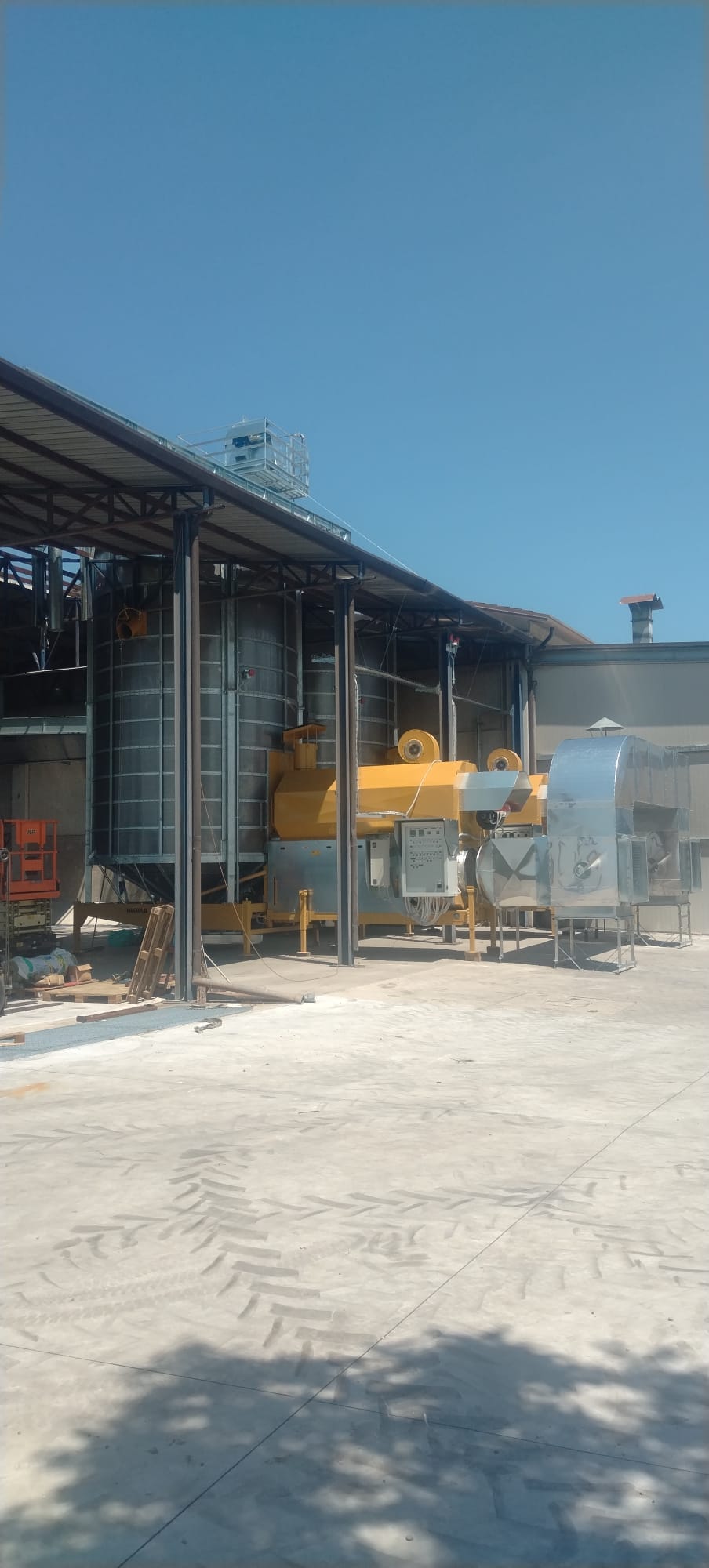
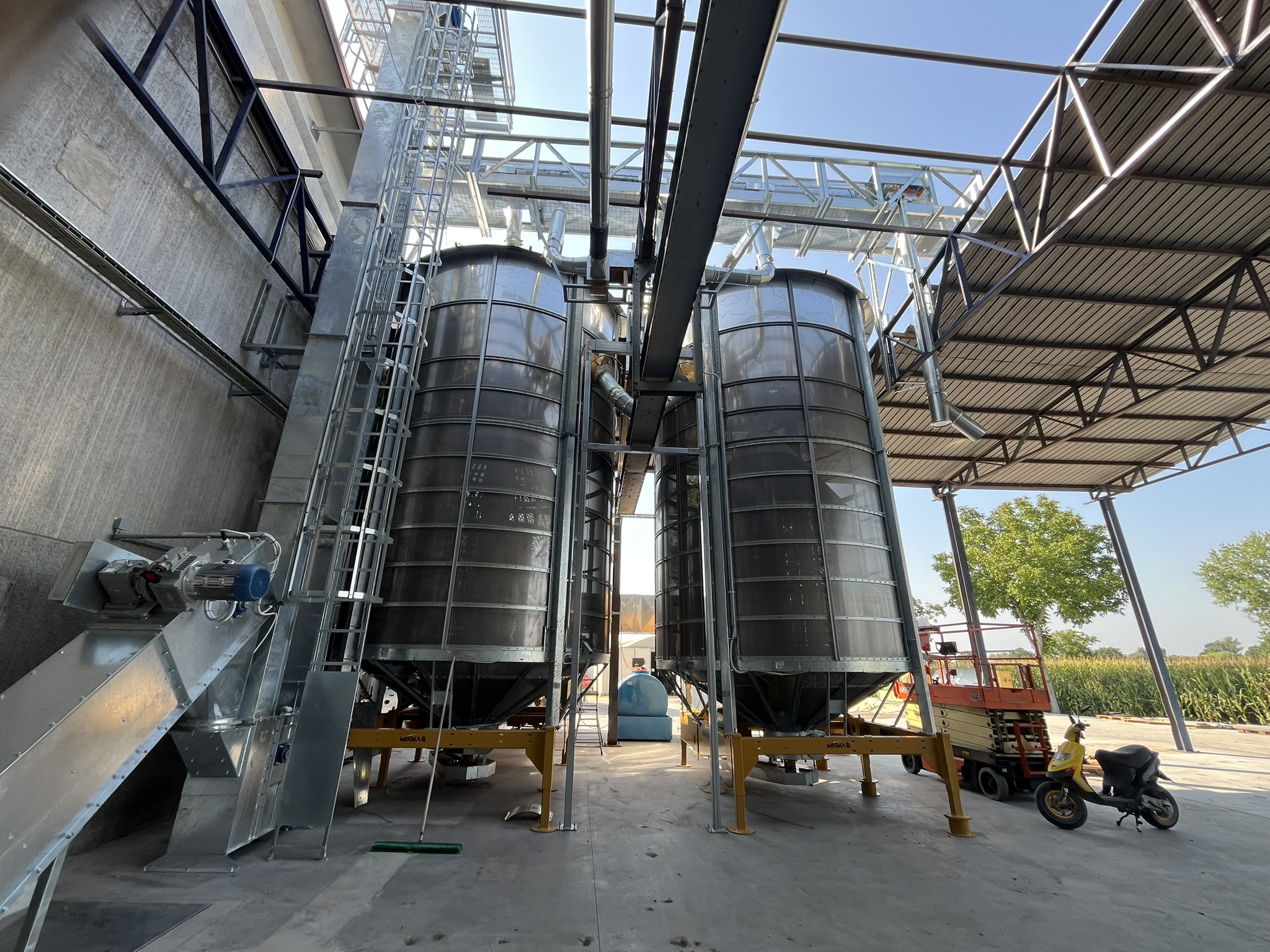
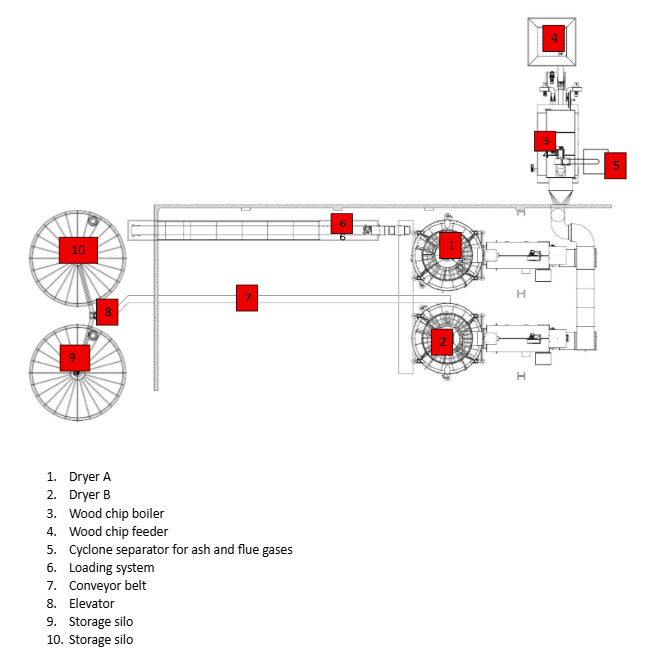
These requirements led to the development of a system consisting of two Mecmar S 40/325 F mobile dryers, powered by an MB 1000 woodchip boiler and integrated into a system designed to allow the various processing stages to follow one another in a coordinated manner.
The case: from an outdated system to a more advanced process
The previous configuration used a dryer powered via the tractor PTO. This solution initially met the company’s need for flexibility, but required a tractor to remain in use throughout the entire drying cycle.
The company therefore needed a more controllable process, better suited to handling a cereal intended for human consumption, while at the same time increasing production volumes and reducing operating costs, mainly those associated with the fuel required to generate the heat used during drying.
There was also a specific production requirement: to significantly increase the quantity of grain that could be processed during the harvesting season.
The new plant was therefore designed to address several areas at the same time:
- two dryers to increase overall production capacity;
- independent electric drives, reducing the need for external mechanical transmissions;
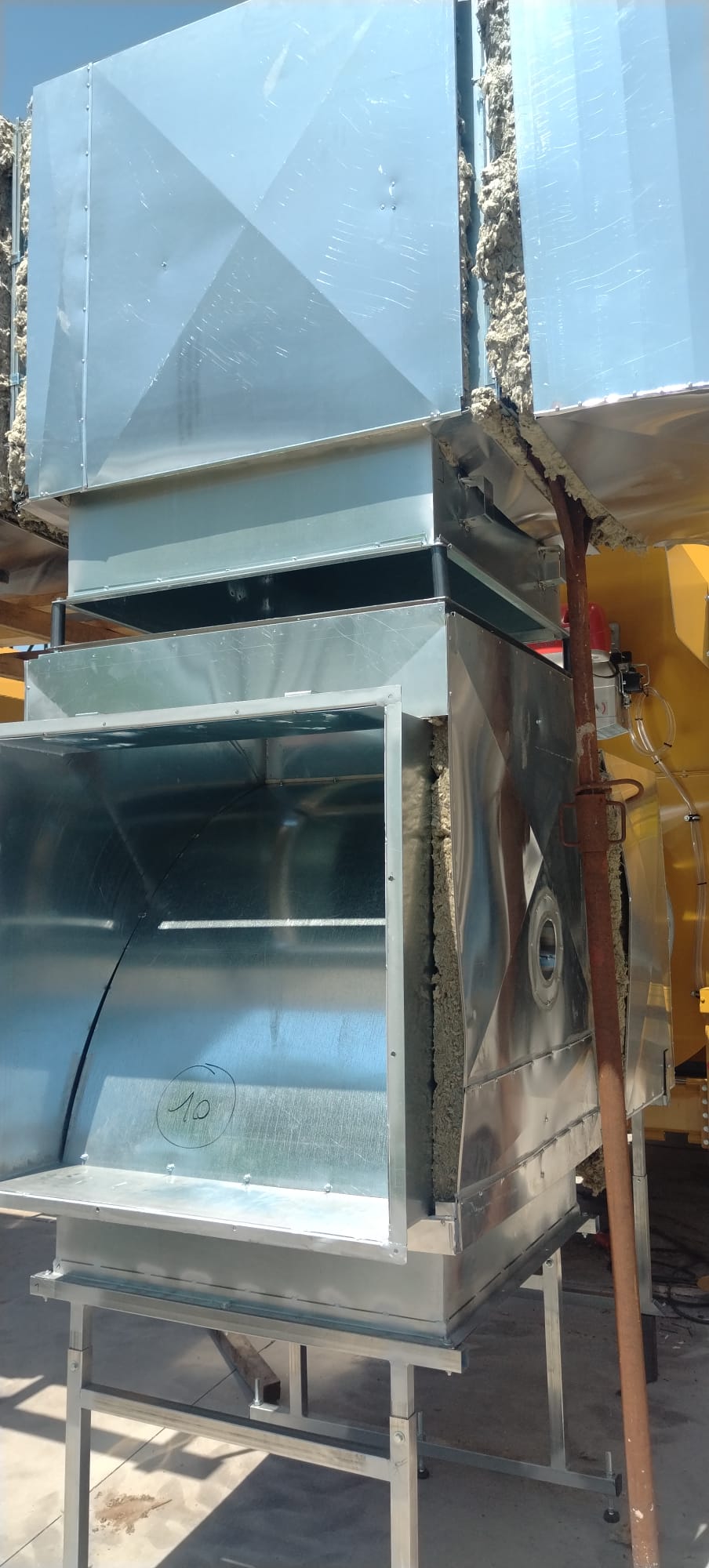
- an indirect-fired system with a heat exchanger;
- PLC and touchscreen controls for monitoring and managing the main operating parameters;
- monitoring and safety sensors dedicated to controlling machine operation;
- a chain conveyor for easier grain handling;
- a woodchip-fired boiler replacing a conventional fossil fuel source.
Why indirect firing is important for maize intended for human consumption
When the final product is intended for human consumption, the quality of the air used during drying is of fundamental importance.
For this installation, the version with a heat exchanger was therefore selected: the combustion gases are not fed directly into the dryer and never come into contact with the grain. The cereal is exposed exclusively to air heated through the heat exchanger.
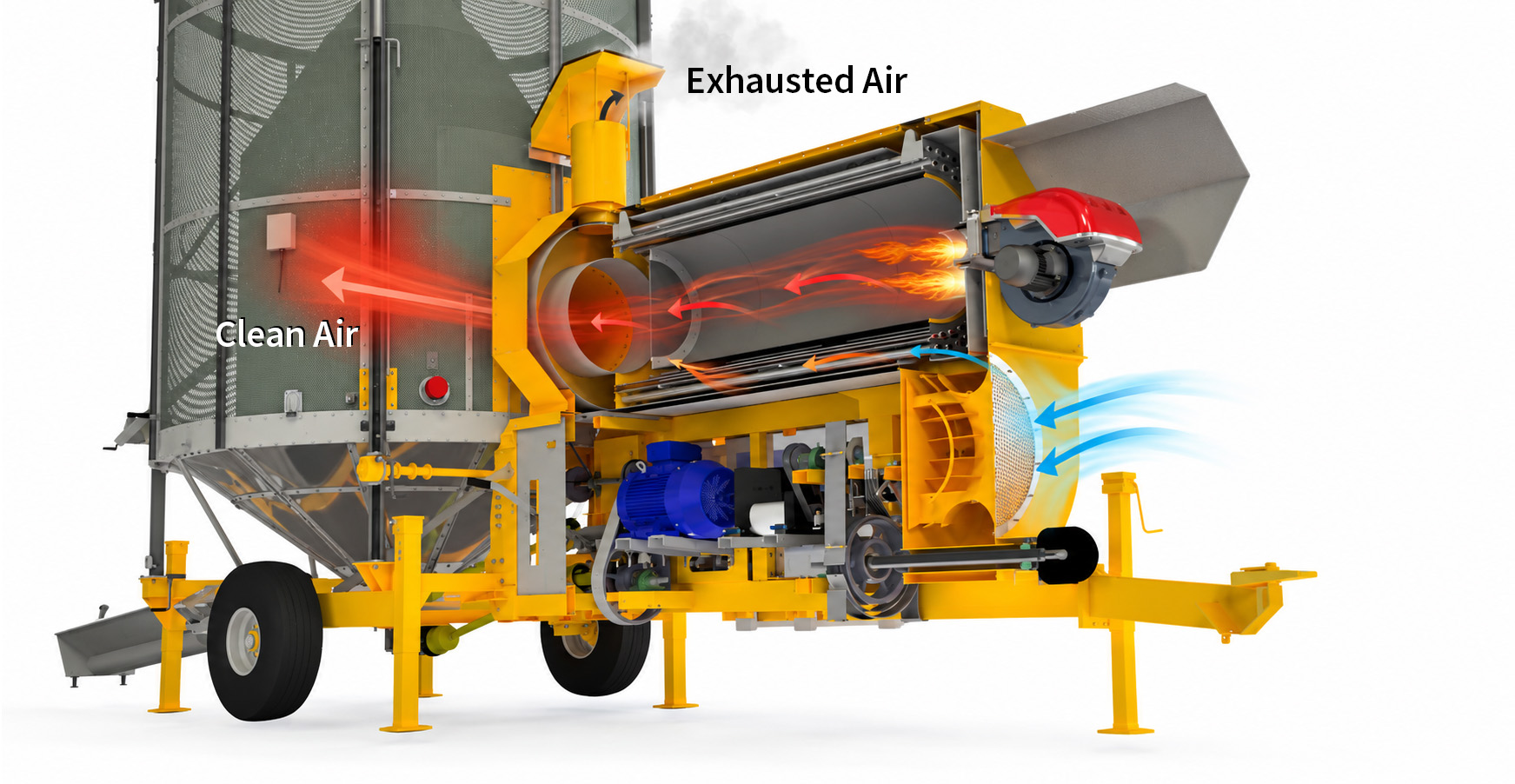
This configuration is consistent with the company’s objective of obtaining a clean product and preserving its characteristics during such a critical stage as drying. Furthermore, preserving the natural qualities of the organic cereal allows the company to place a high-quality product on the market and maximise its selling price.
Process control is further supported by PLC and touchscreen systems, which make it possible to monitor grain flow and machine operation and to manage the dryer remotely.
Performance tailored to the customer’s requirements
Each installed S 40/325 F has a capacity of 57.2 m³, equivalent to approximately 42.9 tonnes of maize, based on a density of 0.75 t/m³.
Under standard conditions, the model can achieve an indicative output of approximately 9 t/h when reducing maize moisture content from 25% to 14%.
In this case, however, the company chose to operate at 110 °C, configuring the process around its specific requirements and achieving an output of approximately 7.5 t/h.
This aspect clearly reflects the philosophy behind the project: rather than simply pursuing the machine’s maximum theoretical capacity, the aim was to build a process aligned with the characteristics of the product and with the company’s production and quality objectives.
To double production capacity, the customer could have opted for a single fixed plant. Instead, the company chose to install two Mecmar mobile dryers, a solution offering four main operational advantages:
- Production flexibility: different harvesting volumes can be managed more flexibly by operating one or both dryers according to requirements.
- Operational agility: the two machines can work simultaneously on different stages of the process; while one is drying, the other can be used for loading or cooling.
- Energy efficiency: the configuration allows for lower electricity consumption compared with a single large fixed plant.
- Space optimisation: the two dryers fit into the available space inside the existing buildings, avoiding the need for more extensive structural modifications.
Greater control also in terms of safety
The modernisation project also involved machine management and operator protection.
The use of independent electric motors made it possible to optimise energy consumption by supplying power only to the functions that require it. The various components are activated according to the requirements of the drying cycle, avoiding the unnecessary operation of mechanisms that are not needed at a given stage.
The system also incorporates level sensors and devices for detecting potential blockages in the augers and grain-handling components. These devices make it possible to identify abnormal conditions that could lead to critical situations, such as localised overheating.
Audible alarms further complement the safety system, warning operators whenever a situation requiring attention is detected.
The core of the plant: the woodchip boiler
At the centre of the system is an MB 1000 biomass boiler, with an output of 1,000,000 kcal/h.
Choosing woodchips allows the company to power the drying process while reducing its reliance on the fossil fuels traditionally used for this type of operation.
From an economic perspective, adopting this system represents a significant structural investment for the company. However, once the initial investment has been made, woodchips can offer lower fuel costs than fossil sources, particularly when biomass is readily available.
As the volumes to be processed increase, optimising energy costs becomes a key factor in maintaining business profitability. To address this requirement, the new drying system was configured as a hybrid solution capable of operating on both diesel and biomass in the form of woodchips. By using biomass, the company can reduce drying costs by approximately 50% – depending on process parameters and current fuel prices – thereby maximising the overall efficiency of the plant.
The configuration shown in the project images also clearly illustrates the operating logic of the system: the boiler is positioned alongside the two dryers and supplies the two units alternately.
A plant designed to evolve with the company
The result is therefore not simply an increase in drying capacity.
The transition to the new plant has allowed the company to address several factors that were becoming increasingly important to its development at the same time: maize quality, work organisation, operator safety, process control and the energy source used.
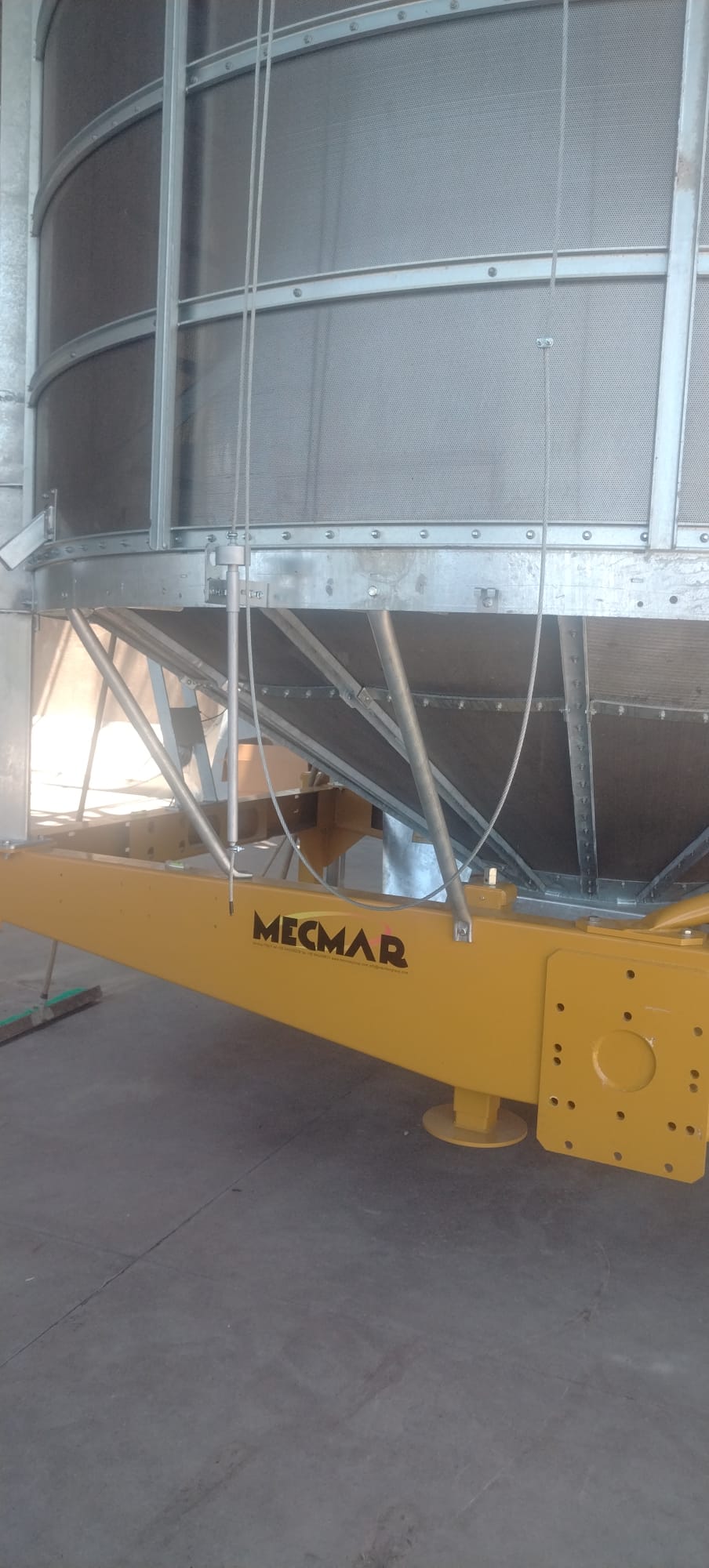
The two S 40/325 F units also retain one of the typical advantages of Mecmar mobile dryers: a compact, robust structure that allows them to be repositioned whenever required. The electric drive and control system complete a configuration designed to handle higher volumes through a more modern and manageable process.